
Published on Apr 23, 2026
Daily Current Affairs
Current Affairs 23 April 2026
Content
- Joint Strategic Vision for India–ROK Special Strategic Partnership
- Iran War & India’s Fertiliser Security
- Market Coupling & “One Grid One Price”
- Govt. adds 14 seaports for e-visa entry, widens immigration access
- India–Sri Lanka Diving Exercise (DIVEX 2026) & INS Nireekshak
- Societies embrace gene therapy but resist genetic change in crops
- Extreme Heat Threatens Food Systems
Explained – Joint Strategic Vision for India-ROK Special Strategic Partnership
Context: Why in News?
- India and Republic of Korea unveiled a Joint Strategic Vision (2026–2030) during the State Visit of President Lee Jae Myung to India.
- The vision signals a transition from primarily economic engagement to a multidimensional strategic partnership, integrating geopolitics, technology, defence, and climate cooperation in a rapidly changing Indo-Pacific order.
Relevance
- GS II (International Relations)
- Indo-Pacific strategy, middle power coalitions
- Bilateral strategic partnerships
- GS III (Economy & Tech)
- Supply chains (semiconductors, EVs), digital economy
- Defence industrialisation
Practice Question
- “India–South Korea partnership reflects the emerging role of middle powers in shaping the Indo-Pacific order.”Examine. (250 words)
Static Background
- India–ROK relations elevated to Special Strategic Partnership (2015), marking deepening beyond trade to strategic domains.
- Anchored in policy convergence:
- India’s Act East Policy → engagement with East Asia
- ROK’s New Southern Policy → diversification beyond US-China axis
- Institutional pillars include:
- Comprehensive Economic Partnership Agreement (CEPA), 2010
- Defence collaboration (e.g., K-9 Vajra howitzer co-production)
- Increasing cooperation in Indo-Pacific security frameworks
- Shared identity as middle powers, export-oriented economies, and democracies, shaping cooperative behaviour in global governance.
Core Issue & Key Findings
- Vision covers 2026–2030 roadmap with focus on political coordination, supply chain resilience, critical technologies, and global governance reforms.
- Bilateral trade stands at ~USD 25 billion, but marked by structural asymmetry favouring ROK exports.
- Cooperation expands into semiconductors, AI, shipbuilding, green energy, fintech integration, and critical minerals supply chains.
- Institutional innovations:
- India–ROK Industrial Cooperation Committee
- Economic Security Dialogue
- 2+2 Defence and Foreign Affairs Dialogue
- Climate cooperation includes Article 6.2 carbon market collaboration under Paris Agreement.
Overview
Strategic–Geopolitical Transformation
- Partnership reflects shift from bilateral trade ties to Indo-Pacific strategic alignment, reinforcing a rules-based maritime order under UNCLOS.
- Acts as a balancing coalition against China-centric supply chains, while avoiding overt bloc politics, thus aligning with India’s strategic autonomy doctrine.
- Institutionalisation of 2+2 dialogue and Economic Security Dialogue indicates convergence on security–economics nexus, a hallmark of contemporary geopolitics.
Economic & Supply Chain Resilience
- Focus on critical minerals, semiconductors, EV batteries, and telecom infrastructure reflects shift toward geo-economics and de-risking strategies.
- CEPA upgrade signals attempt to correct trade asymmetry and remove non-tariff barriers, particularly affecting Indian pharma, agriculture, and IT sectors.
- Maritime cooperation (shipbuilding, logistics) integrates India into global value chains led by Korean firms, enhancing export competitiveness.
Technological & Digital Sovereignty
- Launch of India–Korea Digital Bridge positions both countries in emerging tech governance (AI, data, semiconductors).
- NPCI–KFTC fintech integration enables real-time cross-border payments, reducing reliance on Western financial intermediaries and enhancing digital economic sovereignty.
- Space cooperation via ISRO–KASA Joint Working Group reflects expansion into strategic frontier technologies, including satellite navigation and NewSpace startups.
Defence & Security Industrialisation
- Shift from import dependence → co-development and co-production model strengthens India’s Atmanirbhar Bharat in defence manufacturing.
- Expansion beyond K-9 Vajra into advanced air defence systems and futuristic platforms enhances military capability and technological absorption.
- KIND-X platform integrates startups, academia, and defence industry, indicating move toward innovation-driven military ecosystem.
Climate, Energy & Resource Security
- Cooperation in critical minerals mapping, recycling (e-waste), and AI-enabled exploration addresses vulnerabilities in energy transition supply chains.
- Institutional reciprocity:
- ROK joins International Solar Alliance
- India joins Global Green Growth Institute
- Article 6.2 mechanism enables carbon credit markets and cost-effective emission reduction pathways, aligning climate goals with economic growth.
Soft Power & Societal Linkages
- Cultural diplomacy strengthened via Year of Friendship (2028–29), film co-productions, and educational exchanges.
- Leveraging shared Buddhist heritage and historical links (Ayodhya–Gimhae connection) enhances civilizational diplomacy.
- Expansion of STEM education collaboration and talent mobility supports knowledge economy integration.
Global Governance & Multilateralism
- Joint commitment to UNSC reforms, WTO strengthening, and rules-based multilateral order reflects shared interest in reforming global institutions.
- Cooperation in G20 (ROK Presidency 2028) enhances agenda-setting capacity of middle powers.
Challenges & Concerns
- Persistent trade imbalance and non-tariff barriers continue to limit India’s export potential despite CEPA framework.
- Technology transfer reluctance in defence and semiconductor sectors constrains deeper industrial integration.
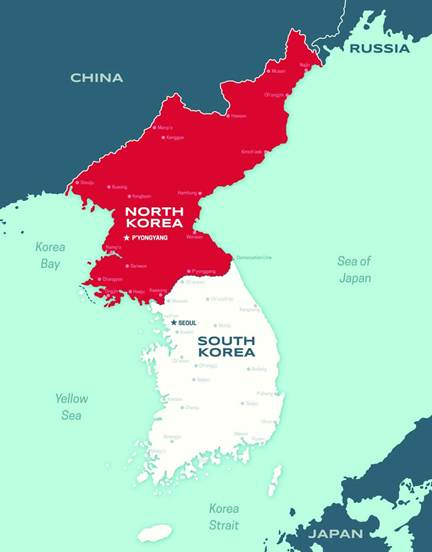
- ROK’s economic dependence on China and security concerns vis-à-vis North Korea limit its strategic alignment depth with India.
- Implementation deficit: multiple MoUs risk remaining declaratory without institutional follow-through.
- Low diaspora presence and limited business awareness weaken people-to-people and commercial linkages.
- Emerging competition in global tech ecosystems (US vs China) may constrain policy space for independent collaboration.
Key Takeaways
- Illustrates evolution of India’s foreign policy from non-alignment → multi-alignment → issue-based strategic partnerships.
- Highlights importance of geo-economics, supply chain resilience, and technology diplomacy in contemporary IR.
- Demonstrates role of middle powers in shaping Indo-Pacific order and reforming global governance institutions.
- Shows integration of economic, security, technological, and environmental domains in modern bilateral relations.
Prelims Pointers
- CEPA (India–ROK) signed in 2010; under renegotiation for upgrade.
- K-9 Vajra howitzer → India–ROK defence co-production model.
- ROK joined International Solar Alliance (ISA); India joined GGGI.
- Article 6.2 of Paris Agreement deals with cooperative carbon market mechanisms.
- IPOI (Indo-Pacific Oceans Initiative) is India-led maritime cooperation framework.
- FORGE initiative focuses on securing global critical mineral supply chains.
Iran War & India’s Fertiliser Security
Context: Why in News?
- The ongoing US–Israel vs Iran conflict and disruption of the Strait of Hormuz have triggered a sharp spike in fertiliser prices and supply disruptions for India.
- Immediate concern: Kharif 2026 sowing season, where fertiliser availability is critical for crop productivity and food security.
Relevance
- GS III (Economy & Agriculture)
- Input security (fertilisers, LNG)
- Food security & subsidy burden
- GS II (IR)
- West Asia geopolitics, chokepoints (Hormuz)
- GS III (Environment)
- Sustainable agriculture, nutrient efficiency
Practice Question
- “India’s fertiliser security is closely linked to global energy geopolitics.”Analyse the challenges and suggest a sustainable strategy. (250 words)
Static Background
- Fertilisers are categorised into:
- Nitrogenous (Urea – 46% N)
- Phosphatic (DAP)
- Potassic (MOP)
- Complex fertilisers (NPKS combinations)
- India’s fertiliser economy:
- Urea dominates (~55% share) of total consumption due to heavy subsidies.
- Domestic production: ~30–31 MT annually; imports fill the gap.
- Raw material dependency:
- Natural Gas (LNG) → key input for urea production
- Phosphate rock, potash, sulphur largely imported
- Major suppliers:
- Gulf countries (Qatar, Saudi Arabia, UAE) dominate urea, LNG, ammonia supply chains
Core Issue & Key Findings
- Urea import prices doubled within 2 months:
- ~$508/tonne (Feb 2026) → ~$935/tonne (April 2026)
- DAP prices surged:
- ~$680 (2025) → ~$925/tonne (current expected)
- Intermediates spike:
- Ammonia: ~$435 → ~$850–900/tonne
- Sulphur: ~$300 (2025) → ~$900/tonne
- Supply disruption drivers:
- Closure of Hormuz chokepoint
- Shutdown of QatarEnergy & Maaden plants after Iranian strikes
- Availability stress:
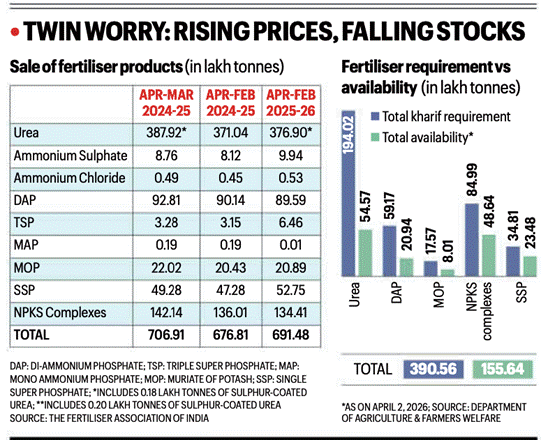
- Kharif urea requirement: 19.4 MT
- Available (April start): ~5.5 MT only
- Domestic production hit:
- Reduced from 2.5 MT/month → ~1.5–1.8 MT due to LNG shortages
Overview
Energy–Fertiliser Nexus
- Fertiliser production is tightly linked to energy security, especially LNG imports from Gulf nations.
- Disruptions in maritime routes like Hormuz create dual shocks → input scarcity + price inflation, amplifying vulnerability of import-dependent economies like India.
Geo-economics & Supply Chain Vulnerability
- India’s dependence on a single geographic cluster (West Asia) exposes it to geopolitical shocks.
- Diversion of supply to global markets (South America, ASEAN) intensifies competition and raises procurement costs.
- Reflects broader trend of weaponisation of trade routes and resources in global conflicts.
Agricultural & Food Security Implications
- Fertiliser shortages directly impact crop yields, especially during kharif (rice, pulses, oilseeds).
- Low availability may lead to:
- Under-application of nutrients
- Reduced productivity → food inflation
- Spillover into rabi season risk, where stocks may be critically low.
Fiscal & Economic Impact
- Higher import prices increase fertiliser subsidy burden on government.
- India’s subsidy regime (especially urea price control) limits price transmission, leading to:
- Fiscal stress
- Distorted consumption patterns (overuse of urea)
Technological & Agronomic Shift Opportunity
- Crisis may accelerate transition toward:
- Fortified fertilisers (micronutrient-coated urea/DAP)
- Biostimulants (microbial-based efficiency enhancers)
- Biostimulants improve nutrient-use efficiency (NUE), reducing dependence on bulk fertilisers.
- Supports long-term goal of sustainable agriculture and soil health management.
Challenges & Concerns
- Excessive reliance on imported LNG and fertiliser intermediates exposes India to repeated shocks.
- Subsidy-driven urea overconsumption distorts balanced fertilisation (N:P:K ratio imbalance).
- Limited domestic reserves of phosphate and potash minerals constrain self-reliance.
- Logistics bottlenecks:
- Ship availability and maritime congestion worsen supply delays.
- Slow adoption of alternative solutions (biostimulants, fortified fertilisers) due to awareness and regulatory gaps.
Key Takeaways
- Highlights linkage between geopolitics, energy security, and agriculture, crucial for GS III (Economy + Agriculture).
- Demonstrates vulnerability of global supply chains and chokepoints in international relations.
- Underlines need for input diversification and sustainable agriculture practices.
- Shows importance of policy flexibility (pricing, subsidies, innovation) in crisis management.
Prelims Pointers
- Urea contains 46% Nitrogen (N).
- DAP = Di-Ammonium Phosphate (N + P fertiliser).
- Strait of Hormuz → critical global energy chokepoint linking Persian Gulf to Arabian Sea.
- India imports ~60% LNG from Gulf countries.
- Biostimulants enhance nutrient-use efficiency but do not directly supply nutrients.
- Fertiliser subsidy regime keeps urea prices controlled, unlike most other fertilisers.
Market Coupling & “One Grid One Price”
Context: Why in News?
- Central Electricity Regulatory Commission has released draft regulations (2026) proposing implementation of market coupling to achieve uniform electricity price discovery across exchanges.
- Reform aims to operationalise the idea of “One Nation, One Grid, One Price”, improving efficiency, transparency, and integration in India’s evolving electricity markets.
Relevance
- GS III (Economy & Infrastructure)
- Power sector reforms, electricity markets
- Pricing efficiency, regulatory architecture
- GS II (Governance)
- Role of regulators (CERC), centralisation vs competition
- GS III (Environment)
- Renewable integration & grid stability
Practice Question
- “Market coupling is a key reform for achieving efficiency in India’s electricity markets.”Critically analyse its benefits and challenges. (250 words)
Static Background
- The Electricity Act, 2003 liberalised electricity markets, enabling competition, private participation, and power trading through exchanges.
- Electricity trading occurs via:
- Long-term PPAs (Power Purchase Agreements) → fixed-price contracts (20–25 years), ensuring base-load supply stability.
- Short-term markets (Power Exchanges) → dynamic price-based transactions to meet peak demand fluctuations.
- Major power exchanges operating in India:
- Indian Energy Exchange
- Power Exchange India Limited
- Hindustan Power Exchange
- Market segmentation based on delivery timing:
- Day-Ahead Market (DAM) → next-day delivery via auction-based price discovery.
- Real-Time Market (RTM) → near-instant balancing of supply-demand mismatches.
- Term-Ahead Market (TAM) → contracts ranging from a few hours to ~11 days.
- Current system limitation: each exchange independently determines price, leading to price fragmentation despite a physically integrated national grid.
Core Issue & Key Findings
- Share of short-term electricity transactions increased significantly from 9.6% (2009-10) to 13.03% (2024-25), indicating growing reliance on market-based trading.
- Short-term electricity trading is growing faster (CAGR ~8.9%) than total electricity generation (~5.8%), enhancing its systemic importance.
- Existing system leads to:
- Different market-clearing prices across exchanges for identical electricity blocks.
- Potential inefficiencies and arbitrage opportunities.
- Proposed reform:
- Centralised Market Coupling Operator (MCO) role assigned to Grid Controller of India.
- Aggregation of bids from all exchanges → single uniform market-clearing price (unless constrained by transmission bottlenecks).
Overview
Economic Efficiency & Market Design
- Market coupling aggregates all buy and sell bids across exchanges into a single pool, enabling optimal matching of supply and demand at a national level.
- The price discovery mechanism follows the principle of maximisation of economic surplus, ensuring that electricity is allocated where it is valued most.
- Eliminates inefficiencies caused by fragmented liquidity, improving price signals for both producers and consumers.
- Reduces price arbitrage opportunities across exchanges, thereby enhancing market integrity and fairness.
Power Sector Transformation & Reform Trajectory
- Marks a structural transition from exchange-based competition to system-level optimisation, reflecting maturity of India’s electricity markets.
- Complements broader reforms like UDAY, Revamped Distribution Sector Scheme (RDSS), and push for competitive procurement.
- Aligns India with advanced electricity market models (e.g., European market coupling) where cross-border electricity trade follows unified price signals.
Renewable Energy Integration & Grid Stability
- Increasing penetration of renewable energy (solar, wind) introduces variability and intermittency in power supply.
- Market coupling enhances:
- Real-time balancing capabilities
- Efficient dispatch of low-cost renewable energy across regions
- Supports Renewable Purchase Obligations (RPOs) and trading via Renewable Energy Certificates (RECs), ensuring cleaner energy adoption.
Institutional & Governance Implications
- Centralising price discovery under Grid India as MCO introduces a neutral, system operator-driven mechanism, reducing dominance of any single exchange.
- Introduction of Power Market Coupling Procedure (PMCP) ensures:
- Standardisation of bid formats across exchanges
- Transparent and algorithm-driven price discovery
- Defined roles, timelines, and accountability
- Reflects evolution toward regulatory centralisation with operational decentralisation, balancing efficiency and oversight.
Federal & Infrastructure Dimension
- Concept of “One Grid One Price” strengthens India’s national electricity market integration, reducing regional disparities in pricing.
- However, transmission constraints (grid congestion) can lead to market splitting, where different regions still have different prices despite coupling.
- Highlights need for investment in transmission infrastructure (Green Energy Corridors, interstate transmission systems).
Impact on Stakeholders
- Consumers (DISCOMs, industries):
- Benefit from more competitive and stable pricing, reducing procurement costs.
- Generators (Gencos):
- Gain access to a larger, unified market, improving demand visibility and revenue optimisation.
- Power Exchanges:
- May face reduced autonomy and business model disruption, as price discovery shifts to a central entity.
Challenges & Concerns
- Transmission bottlenecks may undermine uniform pricing, necessitating heavy capital investment in grid infrastructure.
- Resistance from existing exchanges due to loss of price discovery role and competitive positioning.
- Designing a robust, transparent, and manipulation-proof price discovery algorithm is technically complex.
- Centralised system raises concerns about single-point failure risks and cybersecurity vulnerabilities.
- Need for strong regulatory oversight to prevent market manipulation and ensure fairness.
Key Takeaways
- Demonstrates India’s shift toward integrated, market-based electricity governance, crucial for GS III (Economy, Infrastructure, Energy).
- Highlights interplay between regulation, competition, and centralisation in public utilities.
- Shows importance of efficient energy markets for economic growth and renewable transition.
Prelims Pointers
- Market Coupling → aggregation of bids from multiple exchanges for unified price discovery.
- Grid Controller of India proposed as Market Coupling Operator (MCO).
- DAM (Day-Ahead Market) → electricity traded for next day in 15-minute time blocks.
- RTM (Real-Time Market) → near-instant delivery mechanism for balancing grid.
- REC (Renewable Energy Certificate) → represents 1 MWh of renewable electricity.
- Electricity Act, 2003 → foundation of India’s competitive electricity market reforms.
Govt. adds 14 seaports for e-visa entry, widens immigration access
Context: Why in News?
- Ministry of Home Affairs has designated 14 additional seaports as Immigration Check Posts (ICPs) for entry of foreign nationals holding e-visas.
- Move aims to expand maritime entry points, strengthen tourism, trade facilitation, and enhance India’s border management architecture.
Relevance
- GS II (Governance & IR)
- Immigration policy, border management
- Soft power diplomacy
- GS III (Economy)
- Tourism, port-led development (Sagarmala)
Practice Question
- “Ease of travel must be balanced with national security concerns.”Examine in the context of India’s expanding e-visa and ICP framework. (250 words)
Static Background
- Immigration Check Posts (ICPs):
- Notified under Passport (Entry into India) Act, 1920 and related rules.
- Function as authorized entry/exit points for international passengers with immigration clearance.
- E-Visa System (India):
- Introduced in 2014 to promote ease of travel and tourism.
- Covers multiple categories: tourist, business, medical, student, conference, etc.
- Available to citizens of ~207 countries (with exceptions like China, Pakistan, etc., subject to policy changes).
- Difference (Prelims Trap):
- E-Visa ≠ Visa-on-arrival
- E-visa is pre-approved online, whereas visa-on-arrival is granted at entry.
Core Developments
- Newly designated seaports include:
- Gujarat (major cluster): Alang, Bedi Bandar, Bhavnagar, Porbandar, Hazira, Pipavav, Mandvi
- Tamil Nadu: Cuddalore, Nagapattinam, Thoothukudi
- Andhra Pradesh: Kakinada, Krishnapatnam
- Odisha: Paradip, Dhamra
- Total ICPs in India: 114 (across air, sea, land, rail, river routes)
- ICPs at seaports: 37
- E-visa entry currently permitted through 32 designated airports and seaports
- Validity of e-visa: 1 month to 5 years (category dependent)
Overview
1. Governance & Administrative Dimension
- Expansion of ICPs reflects decentralisation of immigration infrastructure, reducing congestion at major ports.
- Enhances ease of doing business (EoDB) by facilitating smoother entry for:
- Foreign investors
- Maritime tourists (cruise tourism)
- Aligns with Digital India governance model → e-visa + digital processing = paperless, faceless, seamless entry.
2. Economic Dimension
- Boost to coastal and maritime tourism, especially cruise tourism hubs (Gujarat coast, Tamil Nadu ports).
- Facilitates port-led development under Sagarmala Programme:
- Integration of ports with logistics, tourism, and industrial corridors
- Encourages foreign investment inflows by easing entry procedures for business travellers.
- Supports regional economic growth in coastal districts (multiplier effect on hospitality, transport, services).
3. Strategic & Security Dimension
- ICP expansion strengthens border management architecture, especially along maritime frontiers.
- Improves monitoring of international passenger movement across multiple entry points.
- However, raises concerns:
- Risk of illegal migration, trafficking, and smuggling via less monitored ports
- Need for integration with NATGRID, immigration databases, and coastal surveillance systems
- Must align with Coastal Security Scheme & multi-agency coordination (Coast Guard, Navy, State Police).
4. International Relations Dimension
- E-visa policy is an instrument of soft power and diplomacy:
- Facilitates people-to-people contact, tourism diplomacy, and business exchanges
- Special mention:
- Gradual normalisation of India–China mobility (resumption of visas, flights post-Galwan & COVID disruptions)
- Selective liberalisation (e.g., Buddhist pilgrims, diplomats’ families) indicates calibrated diplomacy
- Enhances India’s image as a globally accessible destination.
5. Social & Cultural Dimension
- Boosts religious tourism circuits (Buddhist, coastal pilgrimage routes).
- Encourages cultural exchange and diaspora engagement.
- Promotes inclusive regional development by bringing global exposure to smaller port towns.
Challenges & Concerns
- Infrastructure readiness gap at smaller ports (immigration staff, digital systems, passenger facilities).
- Cybersecurity risks in e-visa processing systems and data protection concerns.
- Inter-agency coordination issues between immigration, customs, port authorities.
- Potential security vulnerabilities due to expansion without proportional surveillance capacity.
- Policy inconsistency (e.g., exclusion/inclusion of certain countries) may affect predictability for travellers.
Way Forward
- Develop Integrated Digital Border Management System linking all ICPs in real-time.
- Upgrade port infrastructure under Sagarmala + PM Gati Shakti integration.
- Strengthen coastal surveillance (radars, AIS tracking, drones) for secure maritime borders.
- Enhance capacity building of immigration personnel at new ICPs.
- Adopt risk-based entry screening using AI and big data analytics.
- Harmonise visa policies with strategic and economic priorities (tourism corridors, investment zones).
Prelims Pointers
- ICPs = authorised international entry/exit points.
- E-visa is digitally pre-approved, not visa-on-arrival.
- India has 114 ICPs, including 37 seaports.
- E-visa available to ~207 countries with selective exclusions.
- Gujarat has the highest concentration of newly added seaport ICPs.
India–Sri Lanka Diving Exercise (DIVEX 2026) & INS Nireekshak
Context: Why in News?
- INS Nireekshak arrived in Colombo to participate in the 4th edition of India–Sri Lanka Diving Exercise (DIVEX 2026).
- Exercise scheduled for April 21 onward (one week), focusing on specialised underwater operations and maritime cooperation.
Relevance
- GS II (International Relations)
- Neighbourhood First, maritime diplomacy
- GS III (Security)
- Maritime security, submarine rescue
- GS III (Economy)
- Blue economy, SLOC security
Practice Question
- “Maritime cooperation is central to India’s role as a net security provider in the Indian Ocean Region.”Discuss with examples. (250 words)
Static Background
- INS Nireekshak:
- A Diving Support and Submarine Rescue Vessel (DSRV support) of the Indian Navy.
- Equipped for:
- Deep-sea diving operations
- Submarine rescue missions
- Salvage and underwater repairs
- India–Sri Lanka Defence Cooperation:
- Regular bilateral exercises, coordinated patrols (CORPAT), and training exchanges.
- Sri Lanka is a key partner under India’s Neighbourhood First Policy and SAGAR doctrine (Security and Growth for All in the Region).
Key Features of DIVEX 2026
- Participants: Diving teams from Indian Navy and Sri Lankan Navy.
- Nature of Exercise:
- Underwater search & rescue operations
- Salvage missions
- Damage control and diving techniques
- Objectives:
- Enhance interoperability between navies
- Improve operational coordination in maritime emergencies
- Exchange best practices in diving and submarine rescue
- Ceremonial Aspect: Formal naval welcome reflects diplomatic goodwill and defence diplomacy.
Overview
1. Strategic & Security Dimension
- Strengthens maritime security cooperation in the Indian Ocean Region (IOR).
- Enhances capacity for submarine rescue, a niche but critical naval capability.
- Supports India’s role as a net security provider in the IOR.
- Counters strategic influence of extra-regional powers (e.g., China) in Sri Lanka.
2. Defence & Military Cooperation
- Promotes joint training and operational standardisation.
- Improves readiness for:
- Submarine accidents
- Underwater disaster response
- Builds trust and institutional linkages between two navies.
3. Geopolitical Dimension
- Sri Lanka’s strategic location near major sea lanes of communication (SLOCs) makes it crucial for India.
- Exercise reinforces India’s Act East + Neighbourhood First synergy in maritime domain.
- Signals India’s commitment to regional stability and cooperative security architecture.
4. Governance & Diplomacy
- Defence exercises act as tools of military diplomacy (defence diplomacy).
- Enhances confidence-building measures (CBMs) between neighbouring states.
- Complements other mechanisms:
- CORPAT (Coordinated Patrols)
- Colombo Security Conclave
5. Economic & Blue Economy Linkages
- Safer seas → secure trade routes and energy supplies.
- Enhances cooperation in:
- Search & Rescue (SAR) for commercial vessels
- Protection of undersea infrastructure (cables, pipelines)
- Indirect boost to Blue Economy initiatives.
Challenges & Concerns
- Sri Lanka’s balancing between India and China may limit strategic depth of cooperation.
- Limited indigenous submarine rescue capabilities in smaller navies.
- Need for technology sharing and joint R&D to sustain long-term cooperation.
- Increasing militarisation of IOR may complicate bilateral engagements.
Way Forward
- Institutionalise regular joint exercises (DIVEX, CORPAT) with expanded scope.
- Develop joint submarine rescue frameworks and protocols.
- Enhance cooperation in maritime domain awareness (MDA) using satellite + AI systems.
- Integrate exercises with multilateral frameworks (Colombo Security Conclave, IONS).
- Promote defence industrial collaboration (training, equipment, maintenance support).
Prelims Pointers
- INS Nireekshak → Diving Support & Submarine Rescue Vessel.
- DIVEX → India–Sri Lanka bilateral diving exercise.
- SAGAR doctrine → India’s maritime strategy for IOR.
- Colombo → Strategic maritime hub near Indian Ocean shipping lanes.
Societies embrace gene therapy but resist genetic change in crops
Core Argument
- The article highlights that while Artificial Intelligence (AI) dominates global discourse, Biotechnology is advancing at an equally rapid pace, influencing healthcare, agriculture, and ecosystems, yet remains relatively underrepresented in policy debates.
- It raises a critical question: whether societies can actively steer scientific progress through ideas, ethics, and regulation, or whether technological momentum will shape outcomes beyond human control and societal priorities.
Relevance
- GS III (Science & Tech)
- Biotechnology, gene editing, synthetic biology
- GS II (Governance)
- Regulatory frameworks, biosecurity
Practice Question
- “Technological progress in biotechnology raises deeper ethical and regulatory challenges than AI.”
Critically examine. (250 words)
Static Background
- Biotechnology has evolved from traditional practices like selective breeding and domestication (over 10,000 years) to modern techniques such as genetic engineering, synthetic biology, and genome editing.
- The current phase is marked by integration with computational biology and data science, enabling faster innovation, large-scale experimentation, and precise manipulation of biological systems.
Core Scientific Concepts
1. Types of Genetic Engineering
- Germline Engineering:
- Involves modifying DNA in reproductive cells (sperm/egg), making changes heritable across generations.
- Largely prohibited globally due to ethical concerns, irreversible effects, and intergenerational risks.
- Somatic Cell Engineering:
- Involves modifying non-reproductive body cells, with effects limited to the individual.
- Widely used in cancer immunotherapy, gene therapy for inherited diseases, and other medical interventions.
2. Synthetic Biology
- Combines biology + engineering + computational tools to design new biological systems for industrial and medical use.
- Key examples:
- Recombinant DNA insulin production replacing animal-derived insulin
- Artemisinin synthesis via engineered microbes
- Advanced drugs like Semaglutide (Ozempic, Wegovy) with enhanced biological efficiency
Overview
1. Scientific & Technological Dimension
- Biotechnology has shifted from slow, evolutionary breeding processes to precise genome editing technologies, enabling targeted interventions at the molecular level with high efficiency.
- Integration with AI, big data, and computational modelling accelerates drug discovery, disease prediction, and personalised medicine, fundamentally transforming healthcare systems.
2. Economic Dimension
- Biotechnology is a high-growth sector contributing to biopharmaceuticals, agriculture, industrial production, and bio-economy development.
- However, high R&D costs, long approval timelines, and expensive therapies limit accessibility, leading to global inequalities in healthcare and technology access.
3. Social Acceptance Dimension
- High acceptance for biotechnology in healthcare due to direct life-saving benefits (e.g., gene therapy, vaccines).
- Low acceptance in agriculture (GM crops) due to:
- Concerns about food safety, biodiversity loss, and corporate monopolies
- Influence of politics, culture, and perception, rather than purely scientific evidence
4. Ethical Dimension
- Raises key ethical concerns:
- Human enhancement vs therapeutic use
- Intergenerational genetic modifications (germline editing)
- Risk of “genetic inequality” where advanced technologies benefit only privileged groups
- Necessitates frameworks based on bioethics, equity, and human dignity.
5. Environmental Dimension
- Criticism of GM crops includes:
- Promotion of monoculture agriculture
- Potential biodiversity loss and ecological imbalance
- However:
- Many of these issues existed even before GM technology
- Biotechnology offers solutions like climate-resilient crops, reduced pesticide use, and sustainable farming systems
6. Governance & Regulatory Dimension
- Core idea: Need for “balanced regulation”
Over-Regulation
- Leads to:
- Innovation stagnation
- Dependence on imported technologies and imitation
- Example: Restrictive policies in some regions slowing agricultural biotech
Under-Regulation
- Risks:
- Biosecurity threats and misuse
- Ethical violations and environmental harm
Ideal Approach
- Adaptive, risk-based, enabling regulation that:
- Encourages innovation
- Ensures safety, accountability, and transparency
7. Historical Lesson (Lysenkoism)
- Trofim Lysenko’s rejection of genetics in the Soviet Union led to:
- Collapse of agricultural productivity
- Suppression of scientific innovation
- Lesson:
- Scientific freedom + evidence-based policy = sustained innovation
Key Analytical Insights
- Innovation requires two essential pillars (“wheels of the chariot”):
- Fundamental research (theory, discovery)
- Applied innovation (technology, implementation)
- Weakening either leads to imbalanced growth, stagnation, or dependence on external technologies.
- Biotechnology, alongside AI, is a civilisation-shaping force, requiring strategic governance and societal engagement.
Challenges & Concerns
- Regulatory fragmentation across countries limits global cooperation and innovation flows.
- High cost of therapies restricts access, particularly in developing countries.
- Ethical concerns around gene editing, especially germline modifications, remain unresolved globally.
- Public mistrust in areas like GM crops due to lack of awareness and misinformation.
Way Forward
- Develop forward-looking, flexible regulatory frameworks that balance innovation with safety and ethics.
- Promote scientific literacy and public awareness to improve acceptance and informed debate.
- Invest in both:
- Basic research (universities, public institutions)
- Applied innovation (startups, industry partnerships)
- Ensure equitable access to biotechnology through public health policies and global cooperation.
Prelims Pointers
- Germline vs Somatic Editing → heritable vs non-heritable changes
- Recombinant DNA technology → used in insulin production
- Synthetic biology → design of engineered biological systems
- GM crop debate → safety, biodiversity, corporate control concerns
Extreme heat threatens food systems, warn
Context: Why in News?
- A joint report by Food and Agriculture Organization and World Meteorological Organization warns that extreme heat is pushing global agrifood systems to the brink, threatening over 1 billion livelihoods worldwide.
- The report highlights that heatwaves are becoming more frequent, intense, and prolonged, fundamentally altering agricultural productivity, ecosystems, and food security.
Relevance
- GS III (Environment & Agriculture)
- Climate change impacts on agriculture
- Food security, agrifood systems
- GS III (Economy)
- Inflation, rural livelihoods
Practice Question
- “Extreme heat is emerging as a systemic risk to global food security.”Analyse its impacts and suggest adaptation strategies. (250 words)
Core Findings & Key Data
- More than 1 billion people dependent on agrifood systems are at risk due to rising temperatures, especially in tropical and developing regions with limited adaptive capacity.
- 2025 ranked among the three hottest years on record, indicating acceleration in global warming trends and increasing frequency of climate extremes.
- Each 1°C rise in global temperature reduces yields of major crops (maize, rice, wheat, soybean) by ~6%, directly threatening global food supply chains.
- At 2°C warming, extreme heat intensity may double; at 3°C, it may quadruple, compared to the 1.5°C baseline scenario, indicating non-linear climate impacts.
Scientific Mechanisms
1. Crop Physiology Disruption
- Extreme heat disrupts photosynthesis–respiration balance, especially when high night-time temperatures increase respiration, causing plants to consume stored energy instead of growing.
- Heat during the critical flowering stage leads to pollen sterility in crops like rice and maize, preventing fertilisation and resulting in empty grains and yield losses.
2. Livestock Stress
- Heat stress is measured using the Thermal Humidity Index (THI), where crossing thresholds leads to severe physiological stress in animals.
- In dairy cattle, extreme heat causes:
- 15–25% reduction in milk production
- Decline in fertility and reproductive efficiency
- Poultry and livestock farms face mass mortality risks under extreme temperature spikes without adequate cooling systems.
3. Fisheries & Marine Systems
- Marine heatwaves reduce dissolved oxygen levels, leading to fish mortality and declining fish stocks, impacting coastal livelihoods and global seafood supply.
- In 2024, 91% of oceans experienced at least one marine heatwave, indicating widespread stress across marine ecosystems.
Overview
1. Environmental Dimension
- Extreme heat acts as a “risk multiplier”, intensifying:
- Droughts
- Wildfires
- Pest outbreaks
- Shrinks the ecological safety margins within which plants, animals, and ecosystems function, increasing vulnerability to collapse.
2. Economic Dimension
- Declining agricultural productivity directly impacts:
- Farm incomes and rural livelihoods
- Global food prices and inflation
- Heat-induced disruptions in fisheries and livestock reduce supply chains and export earnings, particularly for developing economies.
3. Social Dimension
- Vulnerable populations (small farmers, fishers, pastoralists) face:
- Loss of livelihoods and income instability
- Increased food insecurity and malnutrition
- Heat stress also affects human labour productivity, reducing working hours and increasing health risks.
4. Food Security Dimension
- Reduced crop yields, livestock productivity, and fish stocks collectively threaten:
- Availability of food
- Access and affordability
- Nutritional security
- Staple crops (rice, wheat, maize) are particularly vulnerable, increasing risks of global food crises.
5. Governance & Policy Dimension
- Current responses are piecemeal and inadequate, lacking integration across agriculture, climate, and disaster management policies.
- FAO–WMO recommend:
- Risk-based governance frameworks
- Early warning systems for weather and climate shocks
- Climate-resilient agricultural planning
Challenges / Gaps
- Lack of climate-resilient infrastructure (irrigation, storage, cooling systems) in developing countries.
- Limited access to weather forecasting and early warning systems for small farmers and fishers.
- Fragmented policies across sectors, leading to inefficient adaptation strategies.
- Financial constraints and inadequate climate finance for adaptation measures.
Way Forward
- Develop climate-resilient crop varieties (heat-tolerant, drought-resistant seeds) through biotechnology and breeding.
- Strengthen early warning systems and agro-advisory services using satellite data and AI-based forecasting.
- Promote sustainable agricultural practices:
- Crop diversification
- Water-efficient irrigation
- Enhance global climate action to limit warming to 1.5°C (Paris Agreement target).
- Invest in livestock cooling systems, marine conservation, and ecosystem restoration to reduce vulnerability.
Prelims Pointers
- FAO → UN agency for food security and agriculture
- WMO → UN agency for weather, climate, and atmospheric science
- Thermal Humidity Index (THI) → measures heat stress in livestock
- Marine heatwaves → prolonged ocean warming affecting marine ecosystems