
Published on Mar 14, 2026
Daily Current Affairs
Current Affairs 14 March 2026

Content
- Economic Stabilisation Fund
- WHO Pandemic Agreement & Pathogen Access–Benefit Sharing (PABS) Debate
- Paid Menstrual Leave in India – Legal Debate and Gender Equality Concerns
- Preah Vihear Temple Conflict (Cambodia–Thailand)
- Researchers publish first-of-its-kind checklist on fireflies in India
- As peptide therapy becomes a popular trend, experts call for caution
- Western Tragopan: King of birds
Economic Stabilisation Fund
Context
- The Union Government has allocated ₹57,381 crore for a proposed Economic Stabilisation Fund (ESF) through the Second Supplementary Demand for Grants (2025–26) to mitigate global economic shocks.
- The decision comes amid rising global crude oil prices nearing $100 per barrel, supply-chain disruptions and geopolitical instability caused by conflicts in West Asia.
- The Lok Sabha approved additional government expenditure of ₹2.01 lakh crore (net cash outgo) under the supplementary demands for grants for FY 2025–26.
- The government clarified that despite additional spending, India will adhere to its fiscal deficit target of 4.4% of GDP for 2025–26.
Relevance
- GS III – Economy / Macroeconomic Stability:
Fiscal buffers, counter-cyclical fiscal policy, macroeconomic shock management, and fiscal deficit management. - GS III – Energy Security:
Impact of global crude oil price shocks on India (≈85% oil import dependence).
Practice Question
- Discuss the role of fiscal stabilisation mechanisms in protecting emerging economies from global economic shocks. Examine the significance of the proposed Economic Stabilisation Fund in India. (250 words)
What is the Economic Stabilisation Fund?
- The Economic Stabilisation Fund (ESF) is a proposed fiscal buffer created by the Government of India to respond quickly to external economic shocks and macroeconomic disruptions.
- The fund is designed to provide fiscal space for emergency spending during global crises, including energy shocks, financial instability, supply-chain disruptions or sectoral stress.
- By maintaining a dedicated fiscal reserve, the government can stabilise economic activity without significantly deviating from fiscal deficit targets.
- The ESF functions as a counter-cyclical fiscal tool, enabling the government to support the economy during periods of external uncertainty.
Global Context Driving the ESF
Rising Energy Prices
- Global crude oil prices have approached $100 per barrel, largely due to geopolitical tensions and supply disruptions in the West Asia region.
- India imports nearly 85% of its crude oil requirements, making its economy highly sensitive to global oil price fluctuations.
Supply Chain Disruptions
- Ongoing geopolitical conflicts and trade tensions have disrupted global supply chains, affecting the availability and cost of critical commodities.
- Such disruptions can impact sectors like manufacturing, pharmaceuticals, electronics and fertilisers, which depend on global imports.
Global Economic Uncertainty
- The global economy is facing uncertainty due to high inflation, tightening monetary policy in advanced economies, and geopolitical conflicts.
- Emerging economies like India must maintain fiscal buffers to manage capital flow volatility and external shocks.
Fiscal Mechanism Behind the Allocation
- The ESF allocation was made through the Second Supplementary Demand for Grants, which allows the government to seek Parliament’s approval for additional spending during the financial year.
- The government sought approval for ₹2.81 lakh crore in additional expenditure, but expected additional receipts of ₹80,000 crore, reducing the net cash outgo to ₹2.01 lakh crore.
- Within this, ₹57,381 crore has been earmarked specifically for the Economic Stabilisation Fund.
- Supplementary demands ensure legislative oversight of government expenditure beyond the original budget estimates.
Fiscal Deficit and Macroeconomic Stability
- The Union Budget for 2025–26 targets a fiscal deficit of 4.4% of GDP, continuing India’s fiscal consolidation roadmap.
- Fiscal deficit refers to the gap between government expenditure and its revenue receipts excluding borrowings.
- Maintaining the deficit target despite additional spending reflects the government’s focus on macroeconomic stability and fiscal discipline.
- India has been gradually reducing fiscal deficits from the pandemic-era peak of 9.2% of GDP in 2020–21.
Role of Fiscal Buffers in Economic Management
- Fiscal buffers like the ESF help governments respond quickly to unexpected economic shocks without large borrowing requirements.
- Such funds can be used to support critical sectors such as energy, agriculture, infrastructure or financial institutions during crises.
- They also enhance investor confidence by demonstrating that the government has resources available to stabilise the economy.
Economic Policy Context
- The ESF reflects India’s broader strategy of strengthening its macroeconomic resilience after the COVID-19 pandemic.
- Policy measures implemented since 2020 have focused on economic recovery, supply chain resilience and infrastructure investment.
- The government emphasises that these measures have helped India maintain high growth rates compared to many major economies.
Similar Fiscal Stabilisation Mechanisms Globally
- Several countries maintain sovereign stabilisation funds or contingency reserves to manage economic volatility.
Examples include:
- Norway’s Government Pension Fund Global, which stabilises the economy against oil price fluctuations.
- Chile’s Economic and Social Stabilization Fund, used to manage commodity price shocks.
- Russia’s National Wealth Fund, historically used to stabilise revenues from oil exports.
- These funds help governments smooth economic cycles and prevent fiscal stress during downturns.
Significance for India
- India’s economy is increasingly integrated with global markets, making it vulnerable to external shocks such as commodity price spikes and supply disruptions.
- Establishing a fiscal buffer like the ESF can improve economic resilience and policy flexibility.
- The fund also signals India’s commitment to responsible fiscal management while maintaining growth momentum.
Challenges and Concerns
- Maintaining a stabilisation fund requires sustained fiscal discipline and adequate government revenues.
- Large fiscal reserves may face pressure to be used for politically driven expenditures rather than genuine emergencies.
- Ensuring transparency in the governance and utilisation of such funds will be essential for credibility.
Way Forward
- The government should establish clear guidelines for the operation and utilisation of the Economic Stabilisation Fund, ensuring it is used only for genuine economic shocks.
- Strengthening fiscal transparency and parliamentary oversight will enhance accountability.
- India should continue efforts toward fiscal consolidation while maintaining strategic fiscal buffers.
- Diversifying energy sources and strengthening domestic production can reduce vulnerability to global oil price shocks.
Prelims Pointers
- Economic Stabilisation Fund allocation: ₹57,381 crore (2025–26).
- Approved through: Second Supplementary Demand for Grants.
- Fiscal deficit target for 2025–26: 4.4% of GDP.
- India imports about 85% of its crude oil requirement.
WHO Pandemic Agreement & Pathogen Access–Benefit Sharing (PABS) Debate
Context
- India, along with a coalition of developing countries called the “Group for Equity,” is advocating a strong benefit-sharing mechanism in negotiations over the WHO Pandemic Agreement rulebook in Geneva (2026).
- The discussion centres on the Pathogen Access and Benefit-Sharing (PABS) system, which governs how countries share pathogen samples and genetic sequence data during global health emergencies.
- Developing countries argue that nations providing pathogen materials must receive legally binding benefits, including technology access, affordable vaccines, and financial returns from commercial products.
- The debate reflects concerns arising from the COVID-19 pandemic (2020–2023), when vaccine access was highly unequal despite many developing countries sharing virus samples.
Relevance
- GS II – International Relations / Global Governance:
Global health diplomacy, WHO pandemic governance framework, equity debates between Global North and Global South. - GS III – Science & Technology / Health Security:
Pathogen sharing, genomic data exchange, vaccine R&D cooperation.
Practice Question
- The COVID-19 pandemic exposed deep inequities in global health governance. Examine how the WHO Pandemic Agreement seeks to address these challenges. (250 words)
Background: WHO Pandemic Agreement
- The WHO Pandemic Agreement was adopted by the World Health Assembly on 20 May 2025 to strengthen global cooperation on pandemic prevention, preparedness and response.
- The agreement emerged after COVID-19 exposed major gaps in global health governance, including delayed data sharing, supply chain disruptions and unequal vaccine distribution.
- The treaty aims to establish a legally binding international framework to improve disease surveillance, pathogen sharing, medical supply chains and equitable access to vaccines and treatments.
- After adoption of the framework agreement, countries are now negotiating the operational rulebook and implementation mechanisms, particularly the PABS system.
What is the PABS System?
- Pathogen Access and Benefit-Sharing (PABS) is a mechanism designed to regulate how pathogen samples and genetic sequence information are shared globally during outbreaks.
- Countries detecting new pathogens must share biological samples (viruses, bacteria) and digital genetic sequence data with international laboratory networks to accelerate vaccine and drug development.
- In return, the system seeks to ensure fair distribution of benefits such as vaccines, medicines, diagnostics and financial returns.
- The PABS framework is intended to prevent a repeat of the vaccine inequity seen during the COVID-19 pandemic, where wealthier countries secured most early vaccine supplies.
India’s Position in the Negotiations
- India supports the demand of the Group for Equity coalition, which includes several developing and Global South countries advocating stronger benefit-sharing provisions.
- The coalition insists that every entity using pathogen samples or sequence data must sign legally binding contracts that guarantee equitable benefit-sharing.
- India argues that pathogen data sharing should not become a one-way flow of biological resources from developing countries to pharmaceutical companies in developed nations.
- The proposal reflects India’s broader emphasis on equitable global health governance and technology access for developing nations.
Proposed Benefit-Sharing Mechanisms
Monetary Benefits
- Pharmaceutical companies or institutions that commercialise products derived from pathogen materials must pay a percentage of their annual revenue into a global benefit-sharing system.
- These funds would support pandemic preparedness programmes, vaccine manufacturing capacity and healthcare infrastructure in developing countries.
Non-Monetary Benefits
- Manufacturers must reserve a portion of real-time pandemic product production for WHO, ensuring global access during emergencies.
- At least 10% of pandemic-related products (vaccines, medicines or diagnostics) should be donated to the WHO for distribution to low-income countries.
- Pharmaceutical companies may be required to provide non-exclusive licences to manufacturers in developing countries, enabling local production during pandemics.
- Pandemic-related products should be supplied to developing countries at affordable or not-for-profit prices during global health emergencies.
Importance of Traceability
- Developing countries insist that both physical pathogen samples and digital genetic sequence information should be traceable back to the country of origin.
- Traceability ensures transparency in how biological materials are used and allows countries to claim benefits when commercial products are developed from their pathogen data.
- This mechanism is similar to Access and Benefit Sharing (ABS) systems under biodiversity treaties.
Lessons from the COVID-19 Pandemic
- The COVID-19 pandemic exposed major inequalities in global health systems.
- By early 2021, high-income countries had secured over 70% of global vaccine supplies, despite representing only a fraction of the world’s population.
- Many developing countries that shared virus samples and genomic data faced delays in accessing vaccines, therapeutics and diagnostic tools.
- The experience strengthened calls for equitable global health governance frameworks.
Governance Structure of the Pandemic Agreement
- The Intergovernmental Working Group (IGWG) has been tasked with negotiating operational details of the Pandemic Agreement.
- Once finalised, the agreement must be adopted by the World Health Assembly and then ratified by individual countries.
- After ratification, it will function as a legally binding international treaty on pandemic preparedness.
Global Political Economy of Pathogen Sharing
- Developed countries and pharmaceutical companies often argue for open scientific data sharing to accelerate innovation and vaccine development.
- Developing countries highlight concerns of “biological resource extraction”, where pathogen samples are used for profit without equitable returns.
- The debate reflects broader tensions between global public health cooperation and intellectual property rights regimes.
Relation with Existing Global Agreements
- The PABS system has conceptual similarities with the Nagoya Protocol (2010) under the Convention on Biological Diversity, which regulates access to genetic resources and benefit-sharing.
- It also interacts with global intellectual property rules under the TRIPS Agreement of the World Trade Organization (WTO).
- Ensuring compatibility between public health needs and intellectual property frameworks remains a major challenge.
Significance for Global Health Governance
- The Pandemic Agreement aims to strengthen early warning systems, data sharing and global cooperation during health emergencies.
- Equitable benefit-sharing mechanisms can improve trust among countries, encouraging faster reporting of outbreaks and pathogen discoveries.
- Without fairness mechanisms, countries may hesitate to share pathogen data quickly, potentially delaying global response efforts.
Challenges in Implementation
- Pharmaceutical companies may resist revenue-sharing obligations or compulsory licensing requirements, citing innovation costs.
- Differences between developed and developing countries on intellectual property protection and technology transfer could delay consensus.
- Establishing global monitoring systems for pathogen traceability and benefit distribution will require strong institutional capacity.
Way Forward
- A balanced PABS framework must ensure rapid pathogen sharing while guaranteeing equitable access to vaccines and treatments.
- Strengthening regional vaccine manufacturing hubs in developing countries, including India, can improve global health resilience.
- International agreements must reconcile public health priorities with intellectual property protections, ensuring innovation and accessibility coexist.
- India can play a leadership role in Global South health diplomacy, advocating fair access to pandemic technologies.
Prelims Pointers
- WHO Pandemic Agreement adopted: May 20, 2025 by the World Health Assembly.
- PABS: Pathogen Access and Benefit-Sharing system governing sharing of pathogen samples and genetic sequence data.
- IGWG: Intergovernmental Working Group negotiating implementation rules of the agreement.
- CEDAW / Nagoya Protocol comparison: Similar concept of benefit-sharing for biological resources.
Paid Menstrual Leave in India – Legal Debate and Gender Equality Concerns
Context
- The Supreme Court of India expressed reservations about making paid menstrual leave a mandatory statutory right, cautioning that it may unintentionally harm women’s career prospects.
- The Bench led by Chief Justice Surya Kant observed that compulsory menstrual leave laws could lead employers to avoid assigning important responsibilities to women, affecting professional advancement.
- The Court encouraged voluntary policies by States and private employers, rather than a legally enforceable mandate.
- The debate arose from a Public Interest Litigation seeking menstrual leave under the Maternity Benefit Act, 1961, arguing that menstrual pain leave is part of women’s right to dignity under Article 21 of the Constitution.
Relevance
- GS II – Polity / Social Justice:
Constitutional debate involving Articles 14, 15, and 21, gender equality, labour rights and workplace policies. - GS I – Society / Women Issues:
Menstrual health, gender norms, workplace inclusion and stigma.
Practice Question
- Debate the merits and concerns associated with introducing statutory menstrual leave in India. (250 words)
What is Menstrual Leave?
- Menstrual leave refers to paid or unpaid leave granted to women during menstruation, particularly when experiencing severe symptoms such as dysmenorrhea (painful menstruation).
- Dysmenorrhea affects a large proportion of women globally; medical studies suggest around 50–90% of menstruating women experience menstrual pain, with 10–20% facing severe symptoms affecting work productivity.
- The concept aims to recognise menstruation as a legitimate health condition requiring workplace accommodation.
Constitutional and Legal Dimensions
Article 21 – Right to Life and Dignity
- Advocates argue that menstrual leave aligns with Article 21 of the Constitution, which protects the right to life, dignity and health.
- Menstrual pain, when severe, can affect physical well-being and productivity, making workplace support a matter of health rights.
Article 14 and 15 – Equality and Non-Discrimination
- Article 14 guarantees equality before law, while Article 15 prohibits discrimination on the basis of sex.
- Supporters argue menstrual leave promotes substantive equality, recognising biological differences between men and women.
- Critics argue that mandatory menstrual leave may reinforce gender stereotypes in employment, leading to indirect discrimination.
Maternity Benefit Act, 1961
- The petitioner sought menstrual leave within the Maternity Benefit Act framework, which currently provides 26 weeks of paid maternity leave for women employees in India.
- The Act focuses primarily on pregnancy, childbirth and post-natal care, and does not currently recognise menstruation-related leave.
Supreme Court’s Concerns
- The Supreme Court cautioned that mandatory menstrual leave laws may unintentionally create barriers to women’s employment, particularly in competitive sectors.
- Employers may perceive women as less reliable employees due to additional mandatory leave obligations, affecting hiring decisions.
- The Court highlighted practical concerns that women may be denied leadership roles or important assignments if employers anticipate periodic leave.
- The judiciary emphasised the need to consider economic realities and labour market dynamics alongside gender rights frameworks.
State-Level Policies in India
- Some Indian States have introduced voluntary menstrual leave policies for students or employees.
Odisha
- Odisha became the first Indian State in 1992 to introduce menstrual leave, allowing one day of leave per month for women employees in government institutions.
Kerala
- Kerala introduced menstrual leave for female students in State-run universities, allowing up to 60 days of leave annually.
Karnataka
- Karnataka has proposed menstrual leave policies for women employees in certain sectors, although implementation varies.
Corporate and Institutional Initiatives
- Several private companies and institutions in India have voluntarily adopted menstrual leave policies.
Examples include:
- Zomato (2020) introduced 10 days of paid menstrual leave annually for women and transgender employees.
- Some universities such as National Law Institute University (Bhopal) and Maharashtra National Law University (Aurangabad) have implemented menstrual leave policies for students.
- These voluntary models demonstrate institutional flexibility without statutory mandates.
Global Practices
Several countries have implemented menstrual leave policies through legislation or workplace practices.
- Japan introduced menstrual leave as early as 1947 under labour laws, though most leave is unpaid.
- South Korea provides one day of menstrual leave per month, though it may be unpaid.
- Indonesia allows two days of menstrual leave per month under labour law.
- Zambia has a policy known as “Mother’s Day”, allowing one day of menstrual leave each month without requiring medical proof.
- Countries like the United Kingdom and Spain are exploring broader workplace policies for menstrual health.
Social and Economic Dimensions
- Menstrual stigma remains widespread in many societies, including India, where menstruation is often treated as a taboo subject.
- Workplace policies recognising menstrual health may help normalise conversations about women’s health and reduce stigma.
- However, mandatory leave provisions may inadvertently reinforce perceptions that women are less productive workers, affecting labour market participation.
- India’s female labour force participation rate remains around 37% (Periodic Labour Force Survey 2023), making employment equity an important policy concern.
Ethical and Gender Equality Debate
Arguments in Favour
- Recognises menstrual health as a legitimate medical and workplace issue.
- Promotes substantive gender equality by accommodating biological differences.
- Encourages workplace sensitivity and health-oriented policies.
Arguments Against
- Mandatory leave may create unintended hiring discrimination against women.
- Could reinforce gender stereotypes about women’s productivity.
- Employers may see additional leave obligations as economic costs, affecting employment opportunities.
Way Forward
- Encourage flexible workplace policies, including optional menstrual leave, work-from-home options and flexible schedules.
- Promote menstrual health awareness and workplace sensitisation programmes to reduce stigma.
- Introduce gender-neutral health leave policies that allow employees to take leave for medical conditions without stigma.
- Strengthen access to menstrual hygiene facilities, healthcare and counselling in workplaces and educational institutions.
- Ensure policies strike a balance between protecting women’s health and preventing labour market discrimination.
Prelims Pointers
- Maternity Benefit Act, 1961: Provides 26 weeks of paid maternity leave for women employees.
- CEDAW: Convention on the Elimination of All Forms of Discrimination Against Women, ratified by India in 1993.
- Odisha (1992): First Indian State to introduce menstrual leave for women employees.
Preah Vihear Temple Conflict (Cambodia–Thailand)
Context
- The Preah Vihear Temple, located in the Dangrek Mountains on the Cambodia–Thailand border, has again drawn international attention after renewed tensions and military clashes between the two countries.
- Recent fighting reportedly caused damage to parts of the 1,000-year-old sandstone temple complex, raising concerns over the safety of cultural heritage sites located in contested border regions.
- The dispute reflects the long-standing territorial conflict between Cambodia and Thailand over the temple and surrounding land, despite earlier legal rulings by international courts.
Relevance
- GS I – Culture / Art & Architecture:
Khmer temple architecture, Hindu cultural influence in Southeast Asia, heritage conservation. - GS II – International Relations:
Territorial disputes, ICJ rulings, and heritage diplomacy in Southeast Asia.
Practice Question
- Territorial disputes involving cultural heritage sites often combine geopolitics with nationalism. Discuss with reference to the Preah Vihear Temple dispute. (250 words)
Location and Geographic Significance
- Preah Vihear Temple is situated on a cliff in the Dangrek mountain range, forming part of the natural boundary between Cambodia and Thailand.
- The temple complex overlooks the Cambodian plains from a height of about 500 metres, giving it strategic visibility and historical importance.
- Its location near the border has made the temple a symbolic and geopolitical flashpoint in Southeast Asia.
Historical Background of the Temple
- Preah Vihear was constructed during the Khmer Empire between the 9th and 12th centuries, primarily under the reigns of kings such as Suryavarman I and Suryavarman II.
- The temple was originally dedicated to the Hindu god Shiva, reflecting the strong influence of Shaivism in early Khmer civilisation.
- Over time, like many temples in the region, it evolved into a Buddhist place of worship, reflecting cultural transitions in Southeast Asia.
- Architecturally, the temple is designed as a series of stone pavilions connected by a long axial causeway, aligned along a north–south axis up the mountain slope.
UNESCO World Heritage Status
- Preah Vihear Temple was inscribed as a UNESCO World Heritage Site in 2008, recognised for its outstanding Khmer architecture and historical significance.
- The temple is considered one of the most remarkable examples of Khmer temple architecture outside the Angkor complex.
- UNESCO recognition further intensified political tensions, as Thailand initially objected to Cambodia’s nomination due to unresolved border disputes.
Cambodia–Thailand Border Dispute
- The territorial dispute originates from colonial-era maps created during French rule in Indochina in the early 20th century.
- The 1907 Franco-Siamese treaty maps placed the temple on the Cambodian side, although Thailand contested the interpretation of the boundary.
- In 1962, the International Court of Justice (ICJ) ruled that the Preah Vihear Temple belongs to Cambodia, though the surrounding land remained disputed.
- The ruling did not completely resolve the dispute, as Thailand continued to claim nearby territory around the temple.
Renewed Legal Clarification
- In 2013, the International Court of Justice reaffirmed its earlier decision, clarifying that Cambodia has sovereignty not only over the temple but also over the immediate surrounding promontory.
- The ruling required Thailand to withdraw military forces from the disputed area, though tensions occasionally resurface due to nationalist politics.
Strategic and Political Dimensions
- The temple has become a symbol of national pride in both Cambodia and Thailand, making the dispute politically sensitive domestically.
- Border tensions often escalate during periods of political instability or nationalist mobilization in either country.
- The area around the temple has historically been militarised with landmines and troop deployments, reflecting its strategic importance.
Cultural Heritage at Risk
- Armed clashes near heritage sites pose serious risks to irreplaceable archaeological structures and historical monuments.
- Damage to stone carvings, pavilions and corridors at Preah Vihear threatens a millennium-old cultural legacy of the Khmer civilisation.
- Cultural heritage destruction during conflicts has become a global concern, similar to incidents seen in Syria, Iraq and Afghanistan in recent decades.
Importance of Khmer Architecture
- Khmer temple architecture is known for its axial layout, sandstone construction and elaborate relief carvings depicting mythological and religious narratives.
- Preah Vihear represents a mountain temple design, symbolising Mount Meru, the sacred cosmic mountain in Hindu cosmology.
- The temple complex consists of multiple terraces, gopuras (gateway towers) and long galleries, showcasing advanced architectural planning.
International Law and Cultural Heritage Protection
- International conventions such as the 1954 Hague Convention for the Protection of Cultural Property in the Event of Armed Conflict seek to safeguard heritage sites during conflicts.
- UNESCO and international heritage bodies often intervene diplomatically to promote preservation of cultural sites in disputed territories.
- However, enforcement depends largely on the cooperation of sovereign states.
Broader Geopolitical Lessons
- The Preah Vihear dispute highlights how colonial-era boundary demarcations continue to influence modern territorial conflicts.
- It demonstrates the complex intersection between heritage conservation, nationalism and international law.
- Cultural monuments located near disputed borders often become symbols of sovereignty and identity, intensifying geopolitical tensions.
Prelims Pointers
- Preah Vihear Temple: Khmer temple dedicated originally to Shiva.
- Location: Dangrek Mountains on Cambodia–Thailand border.
- UNESCO World Heritage Site: Inscribed in 2008.
- ICJ ruling (1962): Temple awarded to Cambodia.
- ICJ clarification (2013): Cambodia’s sovereignty reaffirmed over the surrounding area.
Researchers publish first-of-its-kind checklist on fireflies in India
Context
- Researchers have published India’s first comprehensive checklist of fireflies, consolidating over 260 years of scientific records from 1881 to 2025, addressing long-standing gaps in insect biodiversity documentation.
- The study published in the journal Zootaxa (March 2026) documents 92 firefly species belonging to 27 genera, highlighting the diversity of bioluminescent beetles across India.
- The research indicates that over 60% of India’s firefly species are endemic, meaning they occur naturally only within India’s ecosystems.
- Many species were originally described in the 19th century and have not been revisited in modern taxonomic studies, creating major gaps in scientific understanding of their distribution and conservation status.
Relevance
- GS III – Environment / Biodiversity:
Insect biodiversity documentation, endemic species, conservation of bioluminescent beetles (Lampyridae). - GS III – Ecology:
Fireflies as bioindicators of ecosystem health, threats from light pollution, pesticides and habitat loss.
Practice Question
- Why are insect biodiversity studies crucial for ecosystem conservation? Discuss with reference to recent research on firefly diversity in India. (250 words)
What are Fireflies?
- Fireflies are bioluminescent beetles belonging to the family Lampyridae within the order Coleoptera, which also includes other beetles such as ladybirds and weevils.
- The defining feature of fireflies is bioluminescence, the ability to produce light through a chemical reaction involving luciferin, luciferase enzymes, oxygen and ATP.
- The light produced by fireflies serves primarily for mating communication, where males and females exchange species-specific flashing patterns.
- Fireflies are found mainly in humid habitats such as forests, wetlands, grasslands and riverbanks, where larvae feed on small invertebrates like snails and worms.
Key Findings of the Firefly Checklist Study
- The study documented 92 firefly species across 27 genera in India, representing the most comprehensive inventory of the country’s firefly diversity to date.
- More than 60% of the recorded species are endemic, highlighting India as an important centre of diversity for fireflies in South Asia.
- The research relied on scientific records dating back to 1881, including museum specimens, taxonomic literature and modern biodiversity databases.
- Many firefly species were described during colonial-era natural history surveys but never revisited with modern taxonomic techniques, leaving gaps in classification and distribution mapping.
Geographic Distribution in India
- Fireflies occur widely across India but are particularly abundant in Western Ghats, Northeastern Himalayas, and moist tropical forests, where suitable ecological conditions support their life cycle.
- The Western Ghats biodiversity hotspot is believed to host a significant proportion of endemic firefly species due to its high rainfall and forest cover.
- Seasonal firefly displays are commonly observed during the pre-monsoon and monsoon months, especially in forested and wetland ecosystems.
Ecological Role of Fireflies
- Fireflies act as bioindicators of healthy ecosystems, as their populations depend on intact habitats with minimal pollution and stable moisture conditions.
- Larval fireflies are predators of soft-bodied invertebrates such as snails and slugs, contributing to ecological pest control in natural ecosystems.
- Adult fireflies play roles in food chains, serving as prey for birds, amphibians and reptiles.
- Their presence reflects ecosystem integrity, low pesticide use and healthy wetland or forest habitats.
Bioluminescence Mechanism
- Firefly light is produced through a biochemical reaction involving luciferin (a light-emitting molecule), luciferase (an enzyme), oxygen and ATP.
- The reaction generates “cold light”, meaning nearly 90–100% of the energy is converted into visible light with minimal heat loss, making it highly energy-efficient.
- Bioluminescence has applications in biotechnology and medical research, including molecular imaging and disease diagnostics.
Threats to Firefly Populations
Habitat Loss
- Rapid urbanisation, deforestation and wetland degradation are reducing habitats necessary for firefly breeding and larval development.
- Conversion of forests and wetlands into agriculture, infrastructure and tourism facilities has fragmented firefly habitats.
Light Pollution
- Artificial lighting in urban and peri-urban areas disrupts mating communication signals between fireflies, reducing successful reproduction.
- Increasing LED street lighting and tourism lighting in forest areas have been linked to declining firefly populations globally.
Pesticide Use
- Intensive use of chemical pesticides and insecticides in agriculture kills both adult fireflies and larvae.
- Pesticides also reduce the availability of snails and small invertebrates, which serve as the primary food source for firefly larvae.
Climate Change
- Changes in rainfall patterns and temperature may alter breeding cycles and habitat suitability, especially in fragile ecosystems like the Western Ghats.
Conservation Significance
- The new checklist provides a baseline dataset for future biodiversity monitoring and conservation planning.
- Documenting endemic species helps identify priority regions for habitat protection and ecological research.
- Fireflies can serve as flagship species for conservation of wetlands, forests and dark-sky habitats.
Relevance for Biodiversity Research in India
- India is recognised as one of the 17 megadiverse countries, hosting approximately 8% of the world’s biodiversity.
- However, insect diversity remains poorly documented compared to vertebrates, with many species yet to be discovered or studied.
- Comprehensive taxonomic inventories such as the firefly checklist contribute to strengthening India’s biodiversity databases and conservation strategies.
Way Forward
- Conduct modern taxonomic studies using DNA barcoding and molecular tools to verify species identities and discover new firefly species.
- Establish long-term monitoring programmes in biodiversity hotspots such as the Western Ghats and Northeast India.
- Reduce light pollution in ecologically sensitive areas through dark-sky conservation measures.
- Promote community-based conservation and firefly festivals that raise awareness while protecting habitats.
Prelims Pointers
- Fireflies belong to family Lampyridae under order Coleoptera (beetles).
- The bioluminescence reaction involves luciferin, luciferase, oxygen and ATP.
- India’s first firefly checklist documents 92 species across 27 genera.
- More than 60% of recorded firefly species in India are endemic.
- Study published in Zootaxa journal (March 2026).
As peptide therapy becomes a popular trend, experts call for caution
Context
- Peptide-based therapeutics are gaining global attention due to expanding clinical applications in treating diseases such as diabetes, cancer, hormonal disorders and metabolic conditions.
- Currently, more than 80 peptide drugs have been approved globally, while over 150 peptide-based medicines are undergoing clinical trials, indicating rapid growth in precision medicine research.
- The growing popularity of GLP-1 peptide drugs for obesity and diabetes management has expanded interest in peptide therapies into fitness, wellness and anti-ageing markets, raising regulatory and safety concerns.
- Medical experts warn that unregulated marketing and misuse of experimental peptides in biohacking and cosmetic sectors could lead to serious health risks without adequate clinical evidence.
Relevance
- GS III – Science & Technology / Biotechnology:
Peptide therapeutics, precision medicine, biotechnology innovations. - GS III – Health Sector:
Applications in diabetes, obesity (GLP-1 drugs), cancer treatment and regenerative medicine.
Practice Question
- Peptide therapeutics represent a new frontier in precision medicine. Discuss their medical applications and associated regulatory challenges. (250 words)
What are Peptides?
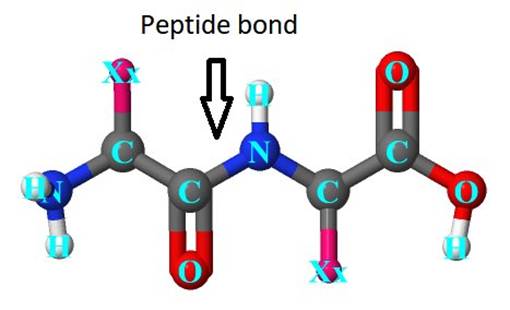
- Peptides are short chains of amino acids, typically containing 2–50 amino acids, which function as biological signalling molecules regulating physiological processes in the human body.
- They act as messengers controlling hormone secretion, metabolism, immune responses and tissue repair, playing a crucial role in cellular communication.
- Because peptides bind to specific receptors on cells, they can influence particular biological pathways with high precision, making them suitable for targeted drug design.
- Peptide drugs often mimic natural biological signals produced in the body, allowing them to regulate specific physiological processes with fewer unintended effects.
Mechanism of Peptide Therapies
- Peptide medicines work by binding to specific receptors on target cells, triggering biochemical pathways that regulate metabolism, hormonal activity or immune responses.
- Their targeted mechanism enables precision medicine approaches, where treatments are tailored to influence specific disease pathways rather than affecting multiple systems simultaneously.
- Many peptide medicines are administered through injections or subcutaneous delivery, because peptides are easily broken down by digestive enzymes if taken orally.
- Due to their structural similarity to natural molecules, peptide drugs often show higher biological compatibility and improved therapeutic specificity.
Global Status of Peptide Therapeutics
- According to global pharmaceutical data, peptide drugs account for around 9% of recently approved medicines by the U.S. Food and Drug Administration (FDA).
- Over 80 peptide drugs are currently approved worldwide, covering treatments for metabolic disorders, endocrine diseases, cancer and infectious diseases.
- The global pipeline includes more than 150 peptide-based drugs in various stages of clinical trials, reflecting rapid innovation in biotechnology and drug development.
- The global peptide therapeutics market is projected to exceed USD 50 billion by 2030, driven by advances in biotechnology and rising demand for targeted therapies.
Major Medical Applications
Metabolic Disorders
- Peptide drugs such as GLP-1 receptor agonists are widely used in treating type-2 diabetes and obesity, helping regulate blood sugar levels and appetite.
- Examples include drugs similar to insulin analogues, which are peptide-based medicines routinely used in diabetes management worldwide.
Oncology (Cancer Treatment)
- Peptide therapies can target tumour-specific receptors, allowing drugs or radioactive agents to be delivered directly to cancer cells.
- This targeted delivery reduces damage to healthy cells, making peptide therapies promising tools in precision oncology.
Endocrine Disorders
- Peptides are widely used in treating growth hormone deficiencies, infertility and thyroid disorders, as many hormones naturally exist as peptide molecules.
- Hormonal peptide drugs help regulate endocrine signalling pathways responsible for metabolism and reproductive health.
Regenerative Medicine
- Experimental peptides are being studied for their ability to stimulate tissue regeneration in muscles, tendons and nerves, offering potential therapies for injuries and degenerative diseases.
- Research is also exploring peptides for wound healing, bone regeneration and nerve repair, especially in sports medicine and orthopaedics.
Infectious Disease Research
- Scientists are developing synthetic antimicrobial peptides capable of destroying antibiotic-resistant bacteria, offering potential solutions to the global antimicrobial resistance crisis.
- Research institutions, including Indian laboratories such as IISc Bengaluru, have been developing experimental peptides targeting drug-resistant pathogens.
Applications in Dermatology and Cosmetic Medicine
- Peptides are increasingly used in dermatology and aesthetic medicine, where they may stimulate collagen production, improve skin repair and support anti-ageing treatments.
- Cosmetic formulations containing peptides aim to reduce wrinkles, improve skin elasticity and promote tissue regeneration.
- However, many cosmetic peptide treatments lack large-scale clinical trials confirming long-term safety and effectiveness.
Risks and Concerns
Unregulated Online Markets
- Many peptides marketed online as “research chemicals” or biohacking compounds are not approved medicines and may contain impurities or incorrect dosages.
- Lack of regulatory oversight increases the risk of unsafe formulations and counterfeit products entering the market.
Hormonal and Metabolic Disturbances
- Because peptides influence hormonal pathways, misuse may lead to endocrine imbalance, metabolic disturbances or abnormal hormone levels.
- Improper use may increase risks of cardiovascular complications, metabolic disorders or hormonal dysfunction.
Self-Administration Risks
- Some peptide therapies require self-injection, increasing the risk of infection, incorrect dosing or complications if used without medical supervision.
- Experts warn that self-injecting experimental peptides can pose serious health risks, especially when used outside clinical settings.
Regulatory and Ethical Challenges
- Regulatory authorities such as the U.S. FDA and European Medicines Agency (EMA) require rigorous clinical trials before peptide drugs can be approved for medical use.
- However, the rapid expansion of wellness and anti-ageing industries has outpaced regulatory frameworks in many countries.
- There is a growing need for global regulatory oversight to prevent misuse of experimental peptide compounds.
Significance for Future Medicine
- Peptide therapeutics represent a major pillar of precision medicine, which aims to design treatments targeting specific molecular pathways involved in diseases.
- Advances in biotechnology, genomics and synthetic biology are accelerating the development of novel peptide drugs.
- Peptides are increasingly being explored as next-generation therapeutics for complex diseases including cancer, metabolic disorders and neurodegenerative conditions.
Way Forward
- Governments and regulatory agencies should strengthen clinical trial regulations and safety monitoring for peptide therapies, especially those marketed through wellness industries.
- Greater investment in biotechnology research and peptide drug development can enhance innovation in targeted medicine.
- Public awareness campaigns are needed to discourage self-medication and unregulated peptide use in fitness and cosmetic markets.
- Collaboration between pharmaceutical companies, medical institutions and regulatory agencies is essential to ensure safe and evidence-based use of peptide medicines.
Prelims Pointers
- Peptides: Short chains of amino acids that function as biological signalling molecules.
- More than 80 peptide drugs are approved globally, with over 150 in clinical trials.
- GLP-1 peptide drugs are widely used in diabetes and obesity treatment.
- Peptide medicines often require injection-based delivery because they degrade in the digestive system.
Western Tragopan: King of birds
Context
- The Western Tragopan (Tragopan melanocephalus) has drawn renewed conservation attention due to declining populations caused by forest fragmentation, infrastructure development, and human disturbance in the Western Himalayas.
- Current estimates suggest only 2,500–3,500 individuals remain globally, making it one of the rarest pheasants in the world, with populations continuing to decline across its fragmented range.
- The Great Himalayan National Park (GHNP) in Himachal Pradesh supports more than 500 breeding pairs, making it the most significant stronghold for the species.
- Conservationists are urging stronger monitoring and habitat protection as infrastructure expansion, including hydropower projects and road tunnels such as the Atal (Rohtang) Tunnel corridor, continues to fragment its habitat.
Relevance
- GS III – Environment / Biodiversity:
Conservation of endemic Himalayan species, habitat fragmentation and climate change threats.
Practice Question
- Discuss the conservation challenges facing Himalayan endemic species with reference to the Western Tragopan. (250 words)
Taxonomy and Biological Characteristics
- The Western Tragopan (Tragopan melanocephalus) belongs to the family Phasianidae, which also includes pheasants, partridges, and junglefowl.
- Adult males measure approximately 68–73 cm in length, displaying distinctive dark plumage dotted with white ocelli and vibrant colours including a crimson hindneck patch, blue throat, and orange fore-neck.
- During the breeding season, males exhibit unique fleshy blue horns and inflatable throat lappets, earning the species the name “horned pheasant.”
- The bird produces a distinctive nasal call “khuwaah” during courtship displays, which plays a role in attracting mates in dense forest habitats.
Geographic Distribution
- The Western Tragopan is endemic to the Western Himalayas, occurring only in India and Pakistan, making it a species of high regional conservation importance.
- Its distribution stretches from Swat Valley in Pakistan through Jammu & Kashmir, Himachal Pradesh and into Uttarakhand in India.
- In India, key habitats include Great Himalayan National Park, Daranghati Wildlife Sanctuary, and Rupi Bhaba Wildlife Sanctuary in Himachal Pradesh.
Habitat and Ecology
- The species inhabits temperate and subalpine forests at elevations between 2,400 and 3,600 metres, occasionally descending to around 2,000 metres during winter months.
- Preferred habitats include dense oak, fir, spruce and deodar forests with thick undergrowth and bamboo thickets, which provide cover from predators and human disturbance.
- The tragopan feeds on berries, leaves, seeds, bamboo shoots, fallen fruits and insects, making it an omnivorous species that contributes to forest ecosystem dynamics.
Breeding Behaviour
- Breeding season typically occurs between May and June, when males perform elaborate courtship displays involving horn extension and colourful throat lappets.
- The female lays three to six eggs per clutch, which are incubated for approximately 28–30 days, while the male remains nearby to guard the nesting area.
- Nesting sites vary, with some birds nesting on the ground under dense vegetation, while others use tree cavities or low branches, depending on local habitat conditions.
Conservation Status
- The International Union for Conservation of Nature (IUCN) lists the Western Tragopan as Vulnerable, due to its restricted distribution and declining population.
- The species is also included in Schedule I of the Wildlife Protection Act, 1972, providing it the highest level of legal protection in India.
- BirdLife International has also recognised it as a species of high conservation concern, due to small and fragmented populations.
Major Threats
Habitat Loss and Fragmentation
- Expansion of hydropower projects, road networks and tunnels in Himalayan regions has fragmented the bird’s forest habitats and disturbed breeding areas.
- Infrastructure projects such as road expansion and the Atal (Rohtang) Tunnel corridor in Himachal Pradesh have increased tourism and human activity in previously undisturbed areas.
Human Disturbance
- Increased tourism, grazing pressure and forest resource extraction have disrupted breeding habitats and reduced suitable nesting areas.
- Human presence during the breeding season can lead to nest abandonment and reduced reproductive success.
Climate Change
- Climate change is shifting vegetation zones and altering forest composition in the Himalayas, potentially reducing suitable habitat for species dependent on specific altitudinal ecosystems.
- Changes in snow cover, temperature patterns and precipitation may affect the availability of food sources and breeding habitats.
Importance of Protected Areas
- The Great Himalayan National Park (GHNP), a UNESCO World Heritage Site since 2014, supports the most stable population of Western Tragopan.
- The park provides dense temperate forests and minimal human disturbance, creating ideal conditions for breeding and survival.
- Other protected habitats such as Daranghati and Rupi Bhaba Wildlife Sanctuaries also serve as important refuges for the species.
Ecological and Cultural Significance
- The Western Tragopan is locally known as “Jujurana” meaning “king of birds” in the Kullu region of Himachal Pradesh, reflecting its cultural significance among Himalayan communities.
- The species serves as an indicator species for the health of temperate Himalayan forests, as it requires intact forest ecosystems with minimal disturbance.
- Protecting the tragopan indirectly supports conservation of associated Himalayan biodiversity including musk deer, Himalayan monal and snow leopard habitats.
Conservation Measures Required
- Conservation experts recommend granting the Western Tragopan flagship species status to strengthen protection of Himalayan temperate forests.
- Long-term ecological monitoring in habitats such as Great Himalayan National Park is necessary to track population trends and habitat conditions.
- Researchers suggest radio-tagging individuals to better understand migration patterns, breeding success and habitat use.
- Systematic surveys across the Pir Panjal range and other under-studied Himalayan regions are required to identify additional populations and conservation priorities.
Broader Environmental Significance
- The Western Himalayas are recognised as part of the Himalayan biodiversity hotspot, one of the most biologically diverse yet threatened ecosystems in the world.
- Conservation of species such as the Western Tragopan contributes to the protection of fragile mountain ecosystems that regulate water resources, climate and biodiversity across South Asia.
Prelims Pointers
- Western Tragopan scientific name: Tragopan melanocephalus.
- Common name: Jujurana or horned pheasant.
- IUCN status: Vulnerable.
- Family: Phasianidae.
- Habitat: Temperate and subalpine forests of the Western Himalayas (2,400–3,600 m).
- Key Indian habitats: Great Himalayan National Park, Daranghati Wildlife Sanctuary, Rupi Bhaba Wildlife Sanctuary.