
Published on Feb 18, 2026
Daily Current Affairs
Current Affairs 18 February 2026

Content
- The 1946 Royal Navy revolt: solidarity amid sharpening polarisation
- India, France renew defence cooperation for 10 years, call to boost military partnership
- Two digital initiatives to boost health AI ecosystem launched
- Iran briefly closes Strait of Hormuz amid U.S.–Iran nuclear talks
- Black Boxes & Air Crash Investigation
- Framework to Regulate AI in Healthcare
- AI Glasses for Visually Impaired: “Seeing Through Sound”
The 1946 Royal Navy revolt: solidarity amid sharpening polarisation
Source : The Hindu
A. Issue in Brief
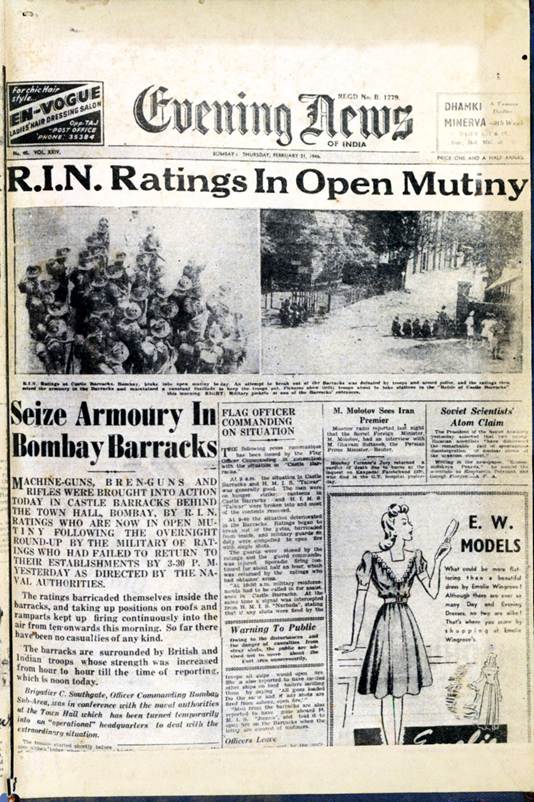
- 2026 marks the 80th anniversary of the Royal Indian Navy Revolt (Feb 18–23, 1946), a major anti-colonial uprising by Indian naval ratings against British authority.
- Revolt began as a hunger strike over food, pay, and racial discrimination, but quickly evolved into a political challenge to colonial rule with mass civilian support.
- At its peak, it involved ~20,000 ratings, 78 ships, and 20 shore establishments, making it one of the largest uniformed uprisings in late colonial India.
- The episode stands out for Hindu–Muslim–Left unity during a period otherwise marked by rising communal tensions.
Relevance
- GS I (Modern Indian History)
- Freedom struggle beyond elite politics
- Role of armed forces, workers, and youth
- Late-colonial nationalism & decolonisation dynamics
B. Static Background
- Took place in February 1946, just one year before Independence and Partition.
- Started at HMIS Talwar (Bombay) and spread to Karachi, Madras, Vishakhapatnam, Kolkata, Cochin, and Andamans.
- Occurred alongside INA trials, labour unrest, and post-WWII economic distress.
- Ratings raised flags of Congress, Muslim League, and Communist Party, signalling broad nationalist sentiment.
- Associated with inspiration from Subhas Chandra Bose and demands for release of INA prisoners.
C. Key Dimensions
1. Freedom Struggle Dimension
- Showed that anti-colonial nationalism had entered the armed forces, shaking British confidence in military loyalty.
- Along with INA trials and Quit India aftermath, it convinced Britain that governing India by force was becoming untenable.
2. Political Dimension
- Not centrally led by Congress or Muslim League, reflecting spontaneous grassroots nationalism.
- National leadership’s cautious stance limited escalation, preferring negotiated transfer of power.
3. Social / Communal Dimension
- Display of Hindu–Muslim unity, with joint hartals, processions, and barricades in Bombay.
- Muslim localities and Hindu mill districts both became centres of resistance.
- Contrasts sharply with communal violence that followed later in 1946–47.
4. Labour / Class Dimension
- Strong participation from workers, students, and urban poor, especially Bombay textile workers.
- Linked military protest with working-class anti-colonial mobilisation.
5. Security / Military Dimension
- Ratings manned ship guns and exchanged fire with British troops.
- British deployed army battalions, armoured vehicles, and machine guns.
- Around 200 civilians killed; hundreds injured.
- Revealed British fear of a wider armed forces rebellion.
D. Data & Evidence
- Duration: 5 days (Feb 18–23, 1946).
- Spread to multiple coasts and naval bases.
- Participation: ~20,000 naval ratings.
- Assets: 78 ships + 20 establishments.
- Casualties: ~200 civilian deaths.
E. Critical Analysis
- Though militarily suppressed, it was a psychological turning point for British rule.
- Demonstrated fragility of colonial control over Indian armed forces.
- Overshadowed by Cabinet Mission failure and Partition violence.
- Represents a missed alternative trajectory of secular, class-based unity.
F. Contemporary Significance
- Expands understanding of freedom struggle beyond elite negotiations.
- Shows role of soldiers, workers, and youth in independence.
- Offers historical lesson on unity during polarised times.
G. Way Forward
- Integrate RIN revolt more strongly into textbooks and public memory.
- Encourage research on military–labour linkages in decolonisation.
- Use as example of plural solidarity in divided societies.
Exam Orientation
Prelims Pointers
- Year: 1946.
- Started at HMIS Talwar (Bombay).
- Lasted 5 days.
- Involved 20,000 ratings.
- Spread to Karachi–Madras–Kolkata–Cochin.
- Linked to INA issue.
- Not officially led by INC or Muslim League.
- Occurred before Cabinet Mission Plan (1946).
- Seen as sign of declining colonial control.
Practice Question
- “The Royal Indian Navy Revolt of 1946 was more than a mutiny; it was a political signal of collapsing colonial authority.”
Discuss its causes, nature, and historical significance. (15 marks)
India, France renew defence cooperation for 10 years, call to boost military partnership
Source : The Hindu
A. Issue in Brief
- India and France renewed their defence cooperation agreement for 10 years (2026–2036) at the 6th Annual Defence Dialogue (Bengaluru), signalling long-term strategic alignment in Indo-Pacific security.
- India sought up to 50% indigenous content in Rafale fighter jet and expansion of MRO facilities in India, aiming to localise lifecycle support and boost defence manufacturing.
- A JV MoU between Bharat Electronics Limited and Safran Electronics & Defense to manufacture HAMMER precision-guided munitions in India marks shift from imports to co-production.
Relevance
- GS II (International Relations)
- Strategic partnerships
- Indo-Pacific geopolitics
- India–EU relations
- Multipolarity & strategic autonomy
B. Static Background
- India–France Strategic Partnership (1998) covers defence, nuclear, space, and counter-terrorism — France was the first P5 country to back India’s strategic autonomy post-Pokhran-II.
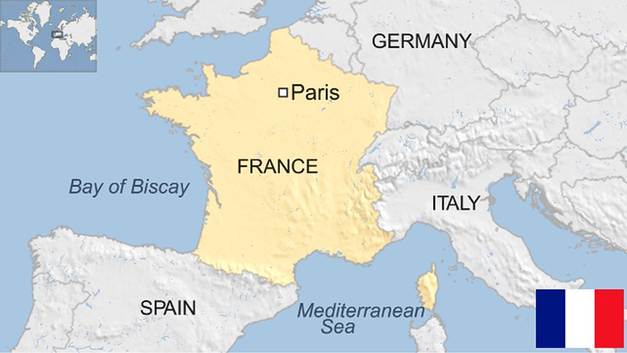
- France is a resident Indo-Pacific power with ~7,000 troops and territories like Reunion Island and New Caledonia, aligning with India’s IOR priorities.
- Defence cooperation institutionalised via Annual Defence Dialogue, logistics agreements, and regular tri-services exercises.
C. Data & Facts Snapshot
- Arms Transfers: As per Stockholm International Peace Research Institute (SIPRI) 2018–2022 data:
- Russia: 45% of India’s imports
- France: ~29% (2nd largest supplier)
- US: ~11%
- Rafale Deal (2016):
- 36 aircraft
- Contract value ~€7.87 billion
- Deliveries completed by 2022
- Scorpene Submarine Deal (2005):
- 6 submarines built at Mazagon Dock
- Project cost ~₹23,562 crore
- Significant transfer of shipbuilding know-how
- Joint Exercises:
- Exercise Varuna (Navy) — started 2001, now advanced maritime drill
- Exercise Garuda (Air Force)
- Exercise Shakti (Army)
D. Key Dimensions
1. Strategic / Geopolitical
- France supports multipolar world order and India’s strategic autonomy, unlike alliance-centric partners.
- Shared interest in rules-based maritime order, anti-piracy, and IOR stability amid China’s growing presence.
- France backed India in NSG, UNSC reform, and counter-terror positions.
2. Defence Industrial
- Indigenous content push aligns with Aatmanirbhar Bharat and target of ₹35,000 crore defence exports by 2025–26.
- Local MRO reduces 30–40% lifecycle costs typically spent abroad.
- Missile JV indicates deeper integration into global supply chains.
3. Technology Dimension
- Collaboration in avionics, radar, jet engines, EW systems.
- Safran already partners in helicopter engines (Shakti engines with HAL).
4. Security Dimension
- Cooperation in counter-terrorism and intelligence sharing.
- Supports India’s role as net security provider in IOR (HADR, EEZ surveillance, training).
E. Critical Analysis
- High-value deals still face limited ToT depth due to IP/export controls.
- Indigenous absorption depends on MSME ecosystem and R&D capacity.
- Costly Western platforms risk budgetary pressure if localisation targets fail.
F. Way Forward
- Move from platform purchase → joint design & R&D.
- Integrate French firms in Tamil Nadu & UP defence corridors.
- Expand to AI warfare, drones, cyber, space defence.
- Use partnership as bridge to wider India–EU defence cooperation.
Exam Orientation
Prelims Pointers
- India–France Strategic Partnership: 1998.
- Rafale manufacturer: Dassault Aviation.
- France share in India’s arms imports (2018–22 SIPRI): ~29%.
- Varuna = naval exercise; Garuda = air; Shakti = army.
- Scorpene submarines built at Mazagon Dock Shipbuilders Limited.
- HAMMER = Highly Agile Modular Munition Extended Range.
- France = resident Indo-Pacific power.
Practice Question
- “India–France defence cooperation reflects India’s shift from buyer–seller relations to capability partnerships.”
Analyse its strategic, technological, and industrial significance. (15 Marks)
Two digital initiatives to boost health AI ecosystem launched
Source : The Hindu
A. Issue in Brief
- Union Health Ministry launched SAHI (Secure AI for Health Initiative) and BODH (Benchmarking Open Data for Health AI) at the India AI Impact Summit, signalling structured push for ethical and evidence-based AI in healthcare.
- SAHI acts as a governance framework and policy roadmap for responsible AI use in health, while BODH creates a testing and validation platform before large-scale deployment.
- Move aligns with India’s shift toward data-driven, interoperable, and AI-enabled digital health ecosystem under national digital public infrastructure.
Relevance
- GS II (Governance & Health)
- Digital health governance
- Regulatory frameworks
- Public health policy
- GS III (Science & Tech)
- AI governance
- Digital Public Infrastructure
- Data protection
B. Static Background
- National Health Policy 2017 envisioned creation of comprehensive digital health ecosystem that is interoperable and scalable.
- Ayushman Bharat Digital Mission (2020) created digital health IDs, registries, and data exchange architecture.
- India’s Digital Public Infrastructure (DPI) model (Aadhaar–UPI–ABDM stack) increasingly used as global template.
C. What is SAHI?
- National framework for ethical, transparent, and accountable AI in healthcare.
- Ensures data privacy, consent-based usage, algorithmic accountability, and bias mitigation.
- Functions as policy compass + governance architecture for Health-AI adoption.
D. What is BODH?
- Platform to benchmark, test, and validate AI models using structured datasets before deployment.
- Focus on performance, reliability, and real-world readiness.
- Promotes collaboration between government, academia, and innovators.
E. Key Dimensions
1. Governance / Regulatory
- Introduces pre-deployment validation norms, reducing risk of unsafe or untested AI tools in healthcare.
- Supports evidence-based policymaking and regulatory oversight.
- Aligns with principles of responsible AI governance.
2. Health System
- AI enables early diagnosis, predictive analytics, telemedicine, and resource optimisation.
- Helps address doctor–patient ratio gaps (India ~1:834 vs WHO norm 1:1000 — but uneven distribution).
- Supports universal health coverage goals.
3. Technology
- Promotes indigenous AI models and data sovereignty.
- Encourages use of high-quality anonymised health datasets.
- Boosts India’s competitiveness in global Health-AI market.
4. Ethical / Social
- Addresses risks of data misuse, bias, opacity, and exclusion.
- Protects patient rights via consent-based frameworks.
- Builds public trust in digital health.
F. Data & Evidence
- India’s digital health ecosystem covers billions of health records under ABDM architecture.
- Global AI-in-healthcare market projected to exceed $180 billion by 2030 (industry estimates).
- WHO highlights AI’s role in diagnostics, outbreak prediction, and health system efficiency.
G. Critical Analysis
- Success depends on data quality, interoperability, and cybersecurity safeguards.
- Regulatory capacity must keep pace with rapid AI innovation.
- Risk of algorithmic bias if datasets not representative.
- Rural digital divide may limit equitable benefits.
H. Way Forward
- Create independent Health-AI regulatory and audit bodies.
- Strengthen data protection compliance under DPDP Act.
- Invest in AI literacy for doctors and health workers.
- Promote public–private–academic partnerships.
- Ensure inclusion of rural and marginalised populations in datasets.
Exam Orientation
Prelims Pointers
- SAHI = Secure AI for Health Initiative.
- BODH = Benchmarking Open Data for Health AI.
- ABDM launched in 2020.
- National Health Policy year = 2017.
- Health is a State subject (Entry 6, State List) but Centre frames policies.
- AI governance linked to data protection and consent.
Practice Question
- “Responsible AI governance is essential for digital health transformation.”
Discuss the significance of SAHI and BODH in building a trustworthy AI-enabled health ecosystem in India. (15 Marks)
Iran Briefly Closes Strait of Hormuz Amid U.S.–Iran Nuclear Talks
Source : The Indian Express
A. Issue in Brief
- Iran briefly announced closure/threatened restriction of the Strait of Hormuz during sensitive nuclear negotiations with the United States, signalling use of chokepoint geopolitics as leverage.
- Strait handles ~20% of global oil trade and ~25–30% of LNG flows, making any disruption a major global energy-security risk.
- Episode underscores how West Asian tensions directly impact global markets, shipping insurance, and inflation, including for energy-import dependent countries like India.
Relevance
- GS II (International Relations)
- West Asia geopolitics
- US–Iran relations
- Maritime security
B. Static Background
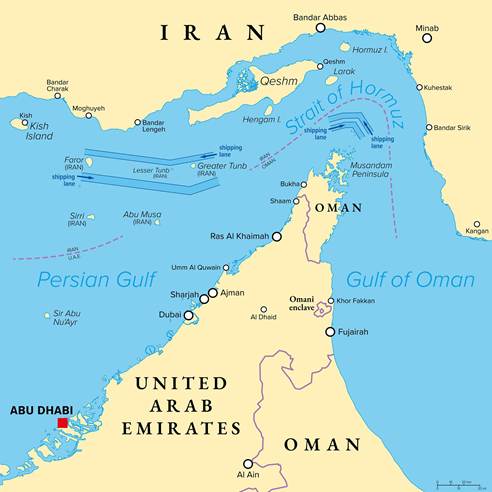
- Strait of Hormuz is a narrow maritime chokepoint (~33 km wide at narrowest) connecting Persian Gulf to Gulf of Oman/Arabian Sea.
- Bordered by Iran (north) and Oman/UAE (south).
- Key exporters using the route: Saudi Arabia, Iraq, UAE, Kuwait, Qatar.
- Historically used as pressure point during Iran–US tensions (1980s Tanker War, 2019 tanker incidents).
C. Key Dimensions
1. Geopolitical Dimension
- Iran uses Hormuz as strategic deterrence tool against sanctions and military pressure.
- Reflects broader US–Iran rivalry, nuclear deal tensions, and regional proxy conflicts.
- Raises stakes for Gulf security architecture and great-power naval presence.
2. Energy Security Dimension
- EIA estimates ~17–20 million barrels/day of oil pass through Hormuz.
- Even temporary disruption spikes global crude prices and freight costs.
- LNG supplies from Qatar (world’s top LNG exporter) heavily depend on this route.
3. Economic Dimension
- Disruptions raise oil prices → imported inflation → CAD pressures for oil-importing economies.
- Impacts shipping insurance premiums and global supply chains.
- Financial markets react sharply to Hormuz tensions.
4. Security / Maritime Dimension
- Presence of US Fifth Fleet in Bahrain ensures freedom of navigation.
- Region sees frequent naval patrols, surveillance, and escort missions.
- Risk of miscalculation leading to escalation.
5. Legal / International Law Dimension
- Under UNCLOS, straits used for international navigation allow transit passage, limiting unilateral closure legitimacy.
- However, enforcement depends on power realities, not just law.
D. Data & Evidence
- ~20% of global petroleum liquids consumption passes via Hormuz.
- ~80% of Asia-bound oil shipments from Gulf transit this route.
- India imports ~85% of its crude needs, large share from Gulf.
- Past crises (2019 tanker attacks) caused oil price spikes of 10–15%.
E. Critical Analysis
- Iran rarely fully closes Hormuz due to self-damage risk (its own oil exports rely on it).
- More often used as signalling and bargaining tool.
- Demonstrates fragility of global energy system dependent on narrow chokepoints.
- Highlights limits of rules-based maritime order under geopolitical stress.
F. India’s Perspective
- India has strong stakes in energy security and diaspora safety in Gulf.
- Maintains balanced ties with Iran, US, and Gulf monarchies.
- Invested in Chabahar Port to diversify connectivity and bypass Pakistan.
- Strategic petroleum reserves (SPRs) help cushion short-term shocks.
G. Way Forward
- Diversify energy imports and accelerate renewables transition.
- Strengthen Indian Navy’s mission-based deployments in IOR.
- Expand strategic petroleum reserves.
- Promote diplomatic de-escalation in West Asia.
- Support multilateral maritime-security frameworks.
Exam Orientation
Prelims Pointers
- Strait of Hormuz connects Persian Gulf–Gulf of Oman.
- Handles ~1/5th global oil trade.
- Bordered by Iran & Oman/UAE.
- US Fifth Fleet operates from Bahrain.
- Qatar LNG exports depend heavily on Hormuz.
- Transit passage concept under UNCLOS.
- Chabahar Port gives India access to Afghanistan/Central Asia.
Practice Question
- “Maritime chokepoints like the Strait of Hormuz are geopolitical pressure valves in global politics.”
Discuss their strategic importance and implications for India’s energy security. (15 Marks)
Black Boxes & Air Crash Investigation
Source : The Indian Express
A. Issue in Brief
- After the recent air crash involving a senior political leader’s aircraft in Maharashtra, both black boxes (DFDR + CVR) were recovered and sent for technical analysis.
- Despite severe damage and fire exposure, recorders are designed to survive high-impact crashes, making them the most reliable evidence source.
- Investigation now hinges on decoding these devices to reconstruct flight parameters, pilot inputs, and cockpit communication.
Relevance
- GS III (Science & Tech)
- Aviation technology
- Safety engineering
- Forensic technology
- GS III (Disaster Management)
- Accident investigation
- Safety protocols
B. Static Background
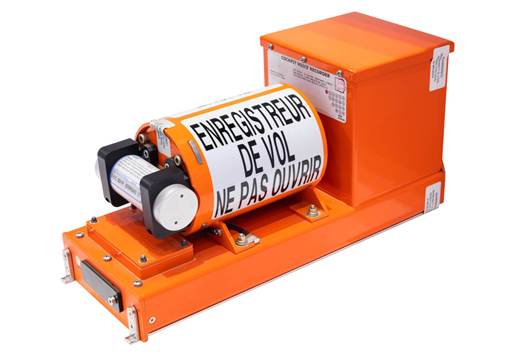
- A “black box” is not a single device but two recorders:
- DFDR (Digital Flight Data Recorder)
- CVR (Cockpit Voice Recorder)
- Mandated under ICAO (International Civil Aviation Organization) safety norms for commercial aircraft.
- Painted bright orange for visibility, not black.
C. What Each Recorder Captures
1. DFDR
- Records altitude, airspeed, heading, vertical acceleration, engine performance, autopilot status.
- Modern units log 1,000+ parameters multiple times per second.
- Helps reconstruct the aircraft’s technical and performance profile.
2. CVR
- Captures pilot conversations, radio transmissions, alarms, and background cockpit sounds.
- Usually stores last 2 hours of audio (older versions stored 30 minutes).
- Critical for identifying human-factor errors or system warnings.
D. Technical Features
- Built to survive:
- Impact forces up to ~3,400 g
- Temperatures ~1,100°C for 30–60 minutes
- Deep-sea pressure at 6,000 m depth
- Equipped with Underwater Locator Beacon (ULB) emitting signals for ~30 days.
E. Investigation Process
- Data decoded at certified labs such as AAIB facilities.
- Investigators synchronise DFDR + CVR + ATC logs + radar data.
- Computer simulations recreate final flight moments.
- Focus areas:
- Mechanical failure
- Weather conditions
- Human error
- ATC instructions
F. Governance & Regulatory Dimension
- In India, probes handled by Aircraft Accident Investigation Bureau (AAIB).
- AAIB works under MoCA and follows ICAO Annex 13 protocols.
- Aim is safety improvement, not criminal liability.
G. Data & Evidence
- Globally, 90%+ crash causes identified through recorder data.
- Human factors contribute to ~70–80% of aviation accidents (global aviation safety studies).
- Aviation remains one of the safest transport modes, with accident rates steadily declining over decades.
H. Critical Issues
- Fire or fragmentation can damage memory modules.
- Delays in data retrieval slow investigations.
- Privacy concerns over cockpit recordings.
- Smaller/private aircraft may have limited recording requirements.
I. Way Forward
- Adopt real-time data streaming/“virtual black boxes”.
- Strengthen indigenous crash investigation labs.
- Improve pilot training using recorder-based simulations.
- Periodic upgrades of recorder technology.
Exam Orientation
Prelims Pointers
- Black box colour = orange.
- Two parts: DFDR + CVR.
- Mandated by ICAO.
- ULB works ~30 days underwater.
- CVR now stores ~2 hours audio.
- AAIB is India’s crash investigation body.
- Purpose = safety, not punishment.
Practice Question
- “Flight recorders are the backbone of modern aviation safety architecture.”
Discuss their role in accident investigation and future improvements needed. (10–15 marks)
Framework to Regulate AI in Healthcare
Source : The Indian Express
A. Issue in Brief
- India has unveiled a national framework to regulate AI in healthcare, shifting focus from pilot projects to full lifecycle governance — data collection to real-world deployment.
- Framework aims to ensure safe, ethical, and evidence-based AI adoption while preventing risks from unvalidated or biased algorithms in clinical settings.
- Announced under the leadership of the Union Health Ministry as part of India’s push toward digital public infrastructure-led health innovation.
Relevance
- GS II (Governance & Social Sector)
- Health policy
- Regulation of emerging tech
- Digital governance
B. Static Background
- National Health Policy 2017 envisioned a comprehensive digital health ecosystem.
- Ayushman Bharat Digital Mission (ABDM, 2020) created:
- Health IDs
- Digital registries
- Health Information Exchange
- India’s DPI model (Aadhaar–UPI–ABDM) increasingly cited globally.
C. What the Framework Covers ?
- Full AI lifecycle regulation:
- Data sourcing
- Model training
- Validation
- Deployment
- Post-deployment monitoring
- Encourages real-world performance testing before scale-up.
- Emphasises patient safety and accountability.
D. First-Big-Step Significance
- India among early movers in Global South to build structured Health-AI governance.
- Aims to become global hub for affordable, scalable digital health solutions.
- Integrates AI within public health delivery, not just private innovation.
E. Key Dimensions
1. Governance / Regulatory
- Moves from voluntary ethics → institutional oversight.
- Standardises evaluation protocols.
- Reduces regulatory grey zones in medical AI.
2. Health System
- AI assists in:
- Diagnostics
- Triage
- Telemedicine
- Resource allocation
- Addresses doctor shortage & rural access gaps.
3. Technology
- Promotes indigenous AI and data sovereignty.
- Builds on ABDM’s interoperable datasets.
- Supports scalable AI innovation ecosystem.
4. Ethical / Social
- Focus on consent, privacy, bias mitigation, explainability.
- Prevents algorithmic discrimination.
- Builds public trust.
F. Data & Evidence
- India’s ABDM aims to cover 1.4+ billion population records.
- Global AI-health market projected $180B+ by 2030.
- WHO identifies AI as critical for diagnostics and outbreak prediction.
G. Challenges
- Data quality variability.
- Cybersecurity threats to health data.
- Low AI literacy among healthcare workers.
- Risk of over-reliance on algorithms.
H. Way Forward
- Independent AI-health audit authorities.
- Strong DPDP Act compliance.
- Capacity building for doctors.
- Public-private-academic collaboration.
- Continuous dataset updating.
Exam Orientation
Prelims Pointers
- ABDM launched 2020.
- National Health Policy year 2017.
- AI governance involves consent & data protection.
- ABDM uses Health IDs & registries.
- AI in health requires validation before deployment.
Practice Question
- “AI in healthcare requires governance as much as innovation.”
Discuss the need and features of India’s AI-health regulatory framework. (15 marks)
AI Glasses for Visually Impaired: “Seeing Through Sound”
Source : TOI
A. Issue in Brief
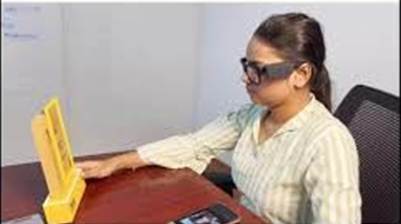
- AIIMS and partners are deploying AI-powered smart glasses that convert visual inputs into spoken feedback, enabling visually impaired persons to interpret surroundings through sound.
- Device uses real-time object recognition + text-to-speech, helping users read labels, identify currency, detect obstacles, and navigate independently.
- Initiative advances assistive AI for disability inclusion, moving from medical rehabilitation to tech-enabled autonomy.
Relevance
- GS II (Social Justice)
- Disability inclusion
- Assistive technology
- Rights-based welfare
- GS III (Science & Tech)
- AI for social good
- Wearable technology
B. Static Background
- Disability inclusion backed by Rights of Persons with Disabilities Act 2016, which mandates accessibility, assistive devices, and equal participation.
- India is signatory to UNCRPD (UN Convention on the Rights of Persons with Disabilities).
- Assistive technology recognised by WHO as key for functional independence and quality of life.
C. How the Technology Works ?
- Camera-equipped glasses capture surroundings.
- AI model processes images to:
- Identify objects, faces, currency, text
- Detect obstacles
- Provide navigation cues
- Output delivered via audio prompts in real time.
D. Key Features
- Reads medicine labels, documents, signboards.
- Recognises daily-use objects and currency notes.
- Assists in indoor and outdoor navigation.
- Designed for hands-free usage.
E. Data & Evidence
- India has ~11 million people with blindness/severe visual impairment (various national estimates).
- Major causes:
- Cataract
- Diabetic retinopathy
- Glaucoma
- Age-related macular degeneration
- Device cost ~₹35,000/unit, with subsidised/free distribution under initiatives like Project Drishti.
F. Dimensions of Analysis
1. Social Justice / Inclusion
- Enhances dignity, independence, and mobility.
- Reduces caregiver dependency.
- Supports inclusive society goals under SDG 10 (Reduced Inequalities).
2. Health Governance
- Complements rehabilitation services.
- Bridges gap where surgical correction not possible.
- Encourages tech-enabled public health solutions.
3. Science & Technology
- Uses computer vision, NLP, and edge AI.
- Demonstrates dual-use AI for social good.
- Promotes indigenous innovation ecosystem.
4. Economic Dimension
- Improves employability and productivity of visually impaired persons.
- Reduces long-term care costs.
G. Challenges
- Affordability for mass adoption.
- Need for multilingual and local-context training data.
- Battery life and hardware durability.
- Privacy concerns with camera-based systems.
H. Way Forward
- Integrate under Ayushman Bharat assistive device coverage.
- Promote domestic manufacturing for cost reduction.
- AI training on Indian languages and environments.
- Public-private partnerships for scale.
- Strong data-privacy safeguards.
Exam Orientation
Prelims Pointers
- RPwD Act enacted in 2016.
- Assistive AI uses computer vision + text-to-speech.
- Cataract = leading cause of blindness in India.
- UNCRPD relates to disability rights.
- Assistive devices fall under inclusion policies.
Practice Question
- “Assistive AI can transform disability inclusion from welfare to empowerment.”
Discuss with reference to AI-based tools for the visually impaired. (10–15 marks)