

Content
- Elephant Deaths on Railway Tracks
- Speedy Justice Eludes Consumers – Consumer Commissions
- ISRO Set to Launch Mobile Broadband Satellite
- Southern Ocean Carbon Anomaly
- Tiger Conservation & 6th Cycle of All India Tiger Estimation
- Transfusion Safety Gaps & HIV Risk for Thalassaemia Patients
Elephant Deaths on Railway Tracks
Why in News ?
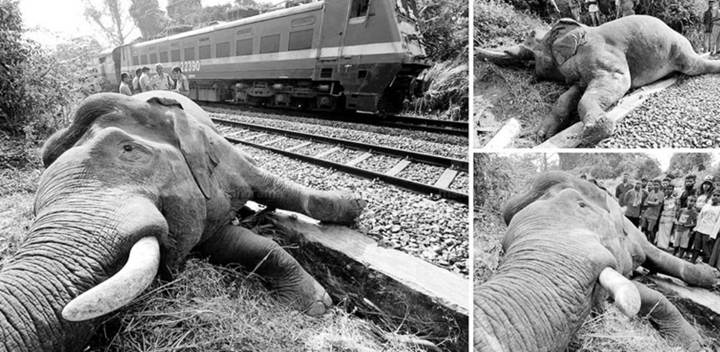
- 4th elephant death on railway tracks in 2025; toll 94 since 2019.
- Dec 20, 2025: 7-8 elephants killed in Hojai/Nagaon, Assam (Rajdhani Express).
- Recent incident in Assam (Hojai–Lumding section) despite prior warnings and mitigation measures.
- Raises concerns on human–wildlife conflict, infrastructure planning, and governance failures.
Relevance
GS I – Geography
- Human–environment interaction.
- Ecological corridors and landscape fragmentation.
- Impact of infrastructure on ecosystems.
GS III – Environment, Internal Security
- Biodiversity conservation (elephants – Schedule I species).
- Human–wildlife conflict.
- Non-traditional security threats (train derailments, passenger safety).
- Sustainable infrastructure development.
Scale of the Problem
- 94 elephant deaths (2019–2025) due to train hits (average ≈ 13–14/year).
- India hosts ~60% of Asia’s elephants (~27,000; Project Elephant estimates).
- High-risk states:
- Assam, Odisha, West Bengal, Jharkhand, Kerala, Tamil Nadu
- Rail–elephant collision hotspots:
- Lumding–Badarpur (Assam)
- Siliguri–Alipurduar (WB)
- Chakradharpur division (Jharkhand–Odisha belt)
Structural Causes
A. Infrastructure–Ecology Mismatch
- Rail lines cut across traditional elephant corridors (not mapped during colonial-era alignments).
- Fragmentation of habitats due to:
- Railways
- Highways
- Mining belts
- Linear infrastructure without wildlife sensitivity
B. Governance & Planning Gaps
- Environmental Impact Assessments (EIA) often:
- Corridor-insensitive
- Static, not updated with elephant movement data
- Poor inter-agency coordination:
- Railways vs Forest Departments
- Mitigation often reactive, not preventive.
C. Operational Failures
- Speed restrictions not consistently enforced, especially at night.
- Dependence on human vigilance instead of automated systems.
- Dense fog + curves + embankments reduce driver visibility.
Existing Mitigation Measures
A. Technological
- Intrusion Detection Systems (IDS):
- Thermal cameras + AI analytics
- Alerts loco pilots & stations in real time
- Piloted in Assam, WB
- Limitation: Partial coverage, maintenance issues
B. Administrative
- Speed restrictions (30–50 km/h) in notified zones.
- Elephant watchers & patrolling.
- GPS-based tracking of elephant herds (limited scale).
C. Ecological
- Underpasses/overpasses (few & expensive).
- Habitat improvement away from tracks (slow progress).
Inference: Measures exist, but scale, enforcement, and integration are weak.
Constitutional & Legal Dimensions
- Article 48A: State’s duty to protect wildlife.
- Article 51A(g): Citizen duty towards environment.
- Wildlife Protection Act, 1972:
- Elephants listed under Schedule I (highest protection).
- Project Elephant (1992):
- Focus on habitat, corridors, conflict mitigation.
- Rail safety still peripheral, not core.
Governance Lens (GS II)
- Illustrates policy silos:
- Transport efficiency vs ecological sustainability.
- Reflects weak anticipatory governance.
- Example of implementation deficit, not policy absence.
- Need for evidence-based, spatial governance (GIS + wildlife data).
Internal Security & Disaster Angle
- Train hits to elephants cause:
- Derailment risks
- Passenger casualties
- Economic losses
- Wildlife accidents as non-traditional security threats.
Best Practices
- Canada / USA:
- Wildlife overpasses + fencing (Banff model).
- Sri Lanka:
- Electric fencing integrated with rail alerts.
- Key takeaway: Structural solutions outperform vigilance-based ones.
Way Forward
Planning & Regulation
- Mandatory Wildlife Corridor Impact Assessment for all rail projects.
- Dynamic corridor mapping using satellite + GPS collar data.
- Corridor zones to be declared “Eco-Sensitive Rail Sections”.
Technology Scaling
- 100% IDS coverage in high-risk sections.
- Automated train braking integration with IDS alerts.
- Night-time speed governors in corridor stretches.
Ecological Engineering
- Standardised wildlife underpasses in all new lines.
- Retrofitting old tracks with funnel fencing + crossings.
Institutional Reform
- Permanent Rail–Forest Joint Command Centres.
- Dedicated funding window under CAMPA / Green Railways Policy.
Indian Elephant (Asian Elephant – Elephas maximus indicus)
- Scientific name: Elephas maximus (Indian subspecies: E. m. indicus)
- Distribution in India: Western Ghats, Northeast India, Eastern India, parts of Central India
- Population (India): ~27,000 (≈ 60% of Asia’s elephants)
- Legal status (India):
- Wildlife Protection Act, 1972: Schedule I
- Flagship species under Project Elephant (1992)
- Ecological role:
- Keystone species
- Seed dispersal
- Forest–grassland ecosystem maintenance
Asian Elephant: Endangered (EN)
Speedy Justice Eludes Consumers – Consumer Commissions
Why in News
- Media reports highlight systemic delays in consumer dispute redressal, undermining the core promise of speedy, inexpensive justice under the Consumer Protection Act, 2019.
- Chronic vacancies, rising pendency, logistical deficits, and procedural delays across District, State and National Consumer Commissions.
Relevance
GS II – Polity & Governance
- Access to justice.
- Quasi-judicial bodies & tribunalisation.
- Implementation of Consumer Protection Act, 2019.
- Judicial capacity & administrative efficiency.
GS II – Constitution
- Article 21: Right to timely justice.
- Article 39A: Equal justice & legal aid.
- Rule of law and procedural fairness.
Constitutional & Governance Context
- Article 21: Right to life includes timely access to justice (expanded judicial interpretation).
- Article 39A (DPSP): Equal justice and free legal aid.
- Consumer Commissions represent quasi-judicial decentralised justice delivery, meant to reduce burden on regular courts.
Consumer Commissions: Intended Design vs Reality
Intended
- Simple procedure (no CPC/CrPC rigidity).
- Time-bound disposal.
- Low cost, citizen-friendly access.
Reality
- Long-distance travel to State/National Commissions.
- Repeated adjournments.
- High pendency resembling civil courts.
- Appeals escalating disputes across all three tiers.
Pendency & Disposal: Hard Data
Overall Pendency
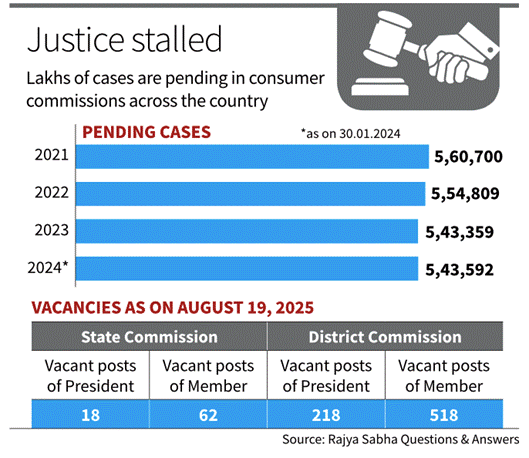
- 5.43 lakh consumer complaints pending (as of Jan 30, 2024) across:
- District
- State
- National Commissions
Case Flow (All India)
2024
- New cases filed: 1.73 lakh
- Cases disposed: 1.58 lakh
- Net backlog increase: ~14,900 cases
2025 (till July)
- New cases: 78,031
- Disposed: 65,537
- Backlog continues to rise
Inference: Disposal rate < Institution rate → structural backlog generation.
Human Cost of Delay
- Repeated travel (inter-state, often 24+ hours).
- Economic stress on small entrepreneurs.
- Justice delayed → justice denied, especially for:
- MSMEs
- Rural consumers
- First-generation entrepreneurs
- Undermines trust in formal grievance redressal, pushing citizens to:
- Informal settlements
- Exit from legal remedies altogether
Staffing Crisis: Quantified Vacancies
As of 19 August 2025
State Commissions
- Presidents vacant: 18
- Members vacant: 62
District Commissions
- Presidents vacant: 218
- Members vacant: 518
Impact
- Benches not fully constituted.
- Matters listed but not taken up.
- Judicial time lost due to quorum issues.
Statutory Timelines vs Ground Reality
Consumer Protection Act, 2019
- Section 38(7):
- 3 months → cases without testing/analysis.
- 5 months → cases requiring testing/expert evidence.
- Adjournments:
- Not to be granted routinely.
- Reasons must be recorded in writing.
Reality
- Cases pending 5–10 years.
- Adjournments frequent due to:
- Non-appearance
- Lack of experts
- Incomplete benches
- Rule of law weakened by implementation gap.
Structural Bottlenecks
Institutional Deficits
- Inadequate number of courtrooms.
- Poor digital case management.
- Insufficient registry staff.
Human Capital Mismatch
- Members legally trained but:
- Limited expertise in insurance, medical negligence, technical goods, e-commerce.
- Dependence on:
- Expert opinions
- Laboratory reports → delays.
Procedural Frictions
- Non-service of notices.
- Delayed affidavits.
- Repeated requests for additional evidence.
- Appeals used tactically by sellers to wear down complainants.
Executive Oversight & Accountability Gap
- Parliamentary replies acknowledge pendency but:
- No mission-mode recruitment
- No binding timelines for appointments.
- Highlights administrative apathy, not legal vacuum.
Economic & Market Implications
- Weak consumer protection:
- Raises transaction costs.
- Encourages unfair trade practices.
- Harms MSME confidence.
- Undermines Ease of Doing Business (consumer trust dimension).
- Distorts insurance, e-commerce, and digital markets.
Comparative Insight
- Mature jurisdictions use:
- Single-tier consumer tribunals.
- Strong pre-litigation mediation.
- Online dispute resolution (ODR) as default.
- India still treats ODR as supplementary, not core.
Way Forward
Institutional
- Time-bound filling of vacancies (statutory deadlines).
- Circuit benches of State/National Commissions.
Procedural
- Mandatory pre-litigation mediation for non-complex cases.
- Strict adjournment caps with cost penalties.
Technological
- End-to-end e-filing, virtual hearings, auto-listing.
- AI-based case triaging (simple vs complex).
Capacity Building
- Domain-specific training for Members.
- Panel of standing technical experts.
Governance
- Annual Consumer Justice Performance Audit.
- Parliamentary oversight via standing committee review.
ISRO Set to Launch Mobile Broadband Satellite
Why in News
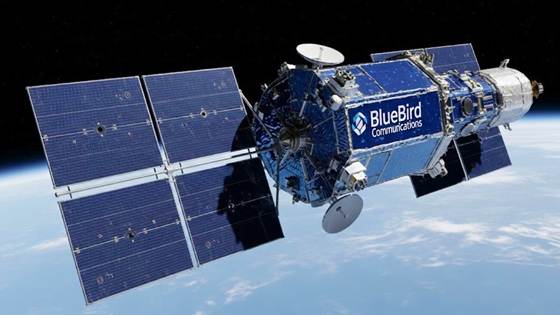
- ISRO’s LVM3-M6 mission scheduled for 24 December to launch BlueBird Block-2 satellite.
- Mission executed under a commercial launch agreement with AST SpaceMobile.
- Satellite aims to deliver direct-to-smartphone cellular broadband from space.
Relevance
GS III – Science & Technology
- Space technology applications.
- Satellite communication.
- LEO constellations & direct-to-device broadband.
- Commercialisation of space sector.
Mission at a Glance
- Launch Vehicle: LVM3 (India’s heavy-lift Gaganyaan-class rocket).
- Payload: BlueBird Block-2.
- Orbit: Low Earth Orbit (LEO).
- Client: AST SpaceMobile.
- Nature: Commercial launch by Indian Space Research Organisation.
What is BlueBird Block-2?
- Largest commercial communication satellite planned for LEO.
- Designed for space-based cellular broadband:
- Direct connectivity to ordinary smartphones.
- No need for specialised satellite phones.
- Part of AST SpaceMobile’s global satellite-cellular constellation.
AST SpaceMobile Network: Key Facts
- Objective: Bridge global digital connectivity gaps.
- BlueBird 1–5 satellites:
- Launched in September 2024.
- Enabled continuous internet coverage over:
- United States
- Select other regions.
- Partnerships:
- 50+ mobile network operators globally.
- End-users:
- Commercial consumers.
- Government & emergency services.
Strategic Significance for India
Space Commercialisation
- Demonstrates ISRO’s shift from captive launches to global launch service provider.
- Strengthens NSIL-led commercial space ecosystem.
- Enhances India’s share in the $10+ billion global launch market.
Heavy-Lift Credibility
- Reaffirms reliability of LVM3 beyond human spaceflight.
- Positions India competitively against:
- SpaceX Falcon 9
- Ariane 6
- Long March series
Digital & Developmental Implications
- Addresses last-mile connectivity:
- Remote rural areas
- Maritime zones
- Disaster-hit regions
- Supports:
- Digital governance
- Financial inclusion
- Tele-medicine & e-education
- Complements India’s Digital Public Infrastructure (DPI) vision.
Geopolitical & Strategic Dimensions
- Space-based broadband increasingly seen as:
- Strategic infrastructure
- Dual-use (civil + security)
- India emerges as:
- Trusted, non-aligned launch partner.
- Enhances India-US tech-commercial cooperation, without data sovereignty entanglement.
Regulatory & Policy Context
- Aligns with:
- Indian Space Policy, 2023
- Promotion of private & foreign participation.
- Raises future policy questions:
- Spectrum coordination (satellite vs terrestrial).
- Cybersecurity & cross-border data flows.
- Space traffic management in congested LEO.
Challenges & Concerns
- LEO congestion and space debris risks.
- Spectrum interference with terrestrial telecom networks.
- Dependence on foreign constellations for critical connectivity.
- Need for robust international space governance norms.
Way Forward
- Strengthen:
- Space situational awareness (SSA).
- Debris mitigation protocols.
- Encourage Indian private players in:
- Satellite manufacturing
- Direct-to-device technologies.
- Develop clear satellite-telecom regulatory convergence framework.
Southern Ocean Carbon Anomaly
Why in News ?
- New peer-reviewed research (published in Nature Climate Change, Oct 2024) shows the Southern Ocean has absorbed more carbon dioxide since the early 2000s, contradicting long-standing climate model projections.
- Highlights limits of climate models, importance of observations, and risks of abrupt future shifts in the global carbon cycle.
Relevance
GS III – Environment & Climate Change
- Global carbon cycle.
- Oceanic carbon sinks.
- Climate feedback mechanisms.
- Non-linear climate responses.
GS I – Geography (Physical)
- Ocean circulation systems.
- Stratification, upwelling, westerlies.
- Southern Ocean’s role in global climate regulation.
Why the Southern Ocean Matters?
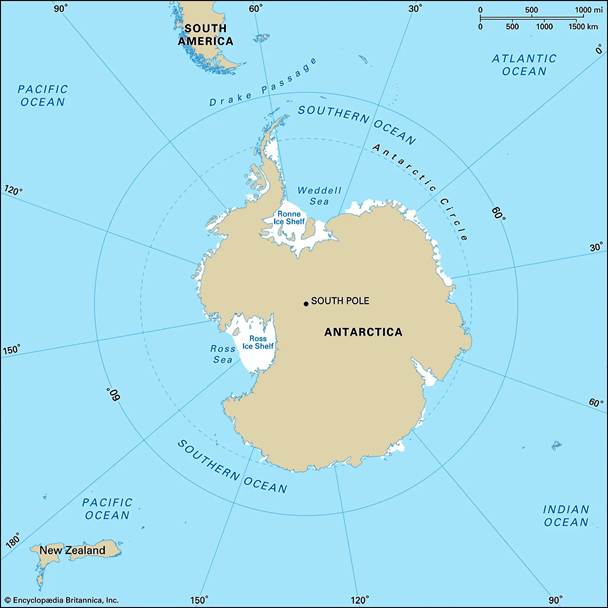
- Covers ~25–30% of global ocean area.
- Absorbs ~40% of oceanic uptake of anthropogenic CO₂.
- Acts as a global climate regulator by:
- Absorbing excess heat.
- Functioning as a major carbon sink.
Inference: Small physical changes here have disproportionately large global climate impacts.
How the Southern Ocean Carbon Sink Works ?
- Cold, relatively fresh surface waters form a “lid”.
- Beneath lies warmer, saltier, carbon-rich deep water.
- Strong stratification limits vertical mixing → carbon remains trapped below surface → less CO₂ escapes to atmosphere.
What Climate Models Predicted (Pre-2020 Consensus) ?
- Rising greenhouse gases → stronger & poleward-shifting westerly winds.
- This would intensify Southern Ocean Meridional Overturning Circulation (MOC).
- Result:
- More upwelling of deep, carbon-rich water.
- Increased CO₂ outgassing.
- Weakening of Southern Ocean carbon sink.
What Observations Actually Show (The “Anomaly”)?
Confirmed Model Predictions
- Circumpolar Deep Water has risen ~40 metres since the 1990s.
- Subsurface CO₂ pressure increased by ~10 microatmospheres.
- Stronger upwelling is real.
Unexpected Outcome
- Despite this, net CO₂ absorption increased, not decreased.
- Southern Ocean remained a strong carbon sink.
What Models Missed: The Key Mechanism?
Freshwater-Driven Stratification
- Increased:
- Antarctic ice melt.
- Precipitation.
- Result:
- Fresher (lighter) surface waters.
- Enhanced stratification.
- Effect:
- Carbon-rich waters trapped 100–200 m below surface.
- Prevented contact with atmosphere → no CO₂ release.
Conclusion: A surface freshwater “mask” temporarily counteracted deep upwelling effects.
Why This Is Temporary (High-Risk Insight)?
- Observations since early 2010s show:
- Stratified layer thinning.
- Surface salinity rising again in parts of the Southern Ocean.
- Strong winds can:
- Penetrate weakened stratification.
- Mix deep, carbon-rich waters upward.
- Result:
- Delayed but abrupt weakening of the carbon sink possible.
- Potential for sudden CO₂ release, not gradual.
Why Models Struggle Here (Scientific Limits)?
- Competing processes:
- Upwelling (vertical transport).
- Stratification (vertical blockage).
- Governed by multi-scale physics:
- Eddies (few km wide).
- Ice-shelf cavities (tens–hundreds of km).
- Sparse year-round observations in Southern Ocean.
Inference: Model uncertainty ≠ model failure; reflects data and scale constraints.
Broader Climate Governance Implications
- Reinforces need for:
- Continuous ocean observations (floats, moorings, satellites).
- Stronger investment in Southern Ocean monitoring.
- Warns policymakers against:
- Assuming long-term ocean buffering.
- Raises stakes for:
- Carbon budget calculations.
- Net-zero timelines.
- Climate tipping point assessments.
Conclusion
- Climate systems can show non-linear responses.
- Temporary resilience can mask deeper vulnerabilities.
- Policy must integrate:
- Models (future risks).
- Observations (current reality).
- Southern Ocean exemplifies “delayed feedback risk” in climate change.
Tiger Conservation & 6th Cycle of All India Tiger Estimation
Why in News ?
- 6th cycle of the All India Tiger Estimation (AITE) launched.
- Union Environment Minister emphasised that India’s tiger conservation model must remain science-based, not driven by political or symbolic targets.
- Context: Rising human–wildlife conflict, elephant deaths, and pressure on protected areas.
Relevance
GS III – Environment & Biodiversity
- Wildlife conservation.
- Project Tiger.
- Carrying capacity & habitat management.
- Human–wildlife conflict.

All India Tiger Estimation (AITE): Core Facts
- Conducted once every 4 years.
- World’s largest wildlife monitoring exercise.
- Coordinated by National Tiger Conservation Authority (NTCA) with Wildlife Institute of India (WII).
- Covers:
- Tiger population estimation
- Prey base
- Habitat quality
- Human pressure indicators
India’s Tiger Numbers: Data Snapshot
- 2006: 1,411 tigers (baseline).
- 2010: 1,706
- 2014: 2,226
- 2018: 2,967
- 2022 (5th cycle): 3,167 tigers
- India hosts ~75% of the world’s wild tigers.
Inference: Quantitative success, but quality of coexistence now the key challenge.
Why “Science-Based” Conservation Is Stressed ?
Limits of Headline Targets
- Artificial pressure to increase numbers can lead to:
- Overstocking of reserves.
- Increased dispersal into human landscapes.
- Spike in human–wildlife conflict.
Ecological Carrying Capacity
- Each tiger requires:
- ~20–60 sq km (female)
- ~60–100 sq km (male)
- Ignoring carrying capacity risks:
- Intra-species conflict.
- Ecological stress.
Human–Wildlife Conflict: Rising Trend
- Minister flagged conflict as the biggest emerging threat.
- Examples:
- Tiger dispersal outside reserves.
- Elephant–train collisions (Assam hotspots).
- India has:
- ~53 tiger reserves.
- But ~70% tiger landscapes lie outside protected areas.
Implication: Conservation success spills into shared human spaces.
New Scientific Interventions Highlighted
Niger Delta–Inspired Programme
- Adaptation of conflict-mitigation strategies used internationally.
- Focus on:
- Landscape-level planning.
- Early warning systems.
- Community engagement.
“Management of Tiger–Human Interface”
- New specialised project.
- Emphasises:
- Predictive analytics.
- Conflict hotspot mapping.
- Behavioural ecology of dispersing tigers.
Institutional Framework
- National Tiger Conservation Authority:
- Statutory body under Wildlife Protection Act, 1972 (amended 2006).
- Project Tiger (1973):
- One of the world’s longest-running species conservation programmes.
- Federal structure:
- States implement; Centre funds & monitors.
Governance & Policy Challenges
- Fragmented landscapes outside reserves.
- Inadequate compensation & delayed payouts.
- Railways, highways cutting across corridors.
- Limited integration of:
- Transport planning
- Mining approvals
- Urban expansion with wildlife data.
Way Forward
Ecological
- Corridor-based conservation beyond reserves.
- Dynamic carrying capacity assessment.
Technological
- AI-based early warning systems.
- Satellite collars for dispersing tigers.
Social
- Faster, transparent compensation.
- Community stewardship incentives.
Governance
- Wildlife-sensitive infrastructure clearances.
- Inter-ministerial coordination (Environment, Railways, Roads).
Tiger (Panthera tigris)
- Scientific name: Panthera tigris
- National animal of India
- Distribution (India):
- Western Ghats
- Central India
- Terai Arc
- Northeast India
- Sundarbans (mangrove ecosystem)
- Population (India):
- 3,167 tigers (2022) → ~75% of global wild tiger population
- Legal status (India):
- Wildlife Protection Act, 1972: Schedule I
- Flagship species under Project Tiger (launched 1973)
- Tiger: Endangered (EN)
Transfusion Safety Gaps & HIV Risk for Thalassaemia Patients
Why in News ?
- Advocacy groups demand mandatory NAAT testing for blood screening.
- Concerns raised that reliance on ELISA-only testing exposes thalassaemia and other multi-transfused patients to HIV and hepatitis risk.
- Context of the proposed National Blood Transfusion Services Commission Bill, 2025.
Relevance
GS II – Governance & Social Justice
- Public health governance.
- Regulatory oversight of health services.
- Patient safety & rights.
GS II – Constitution
- Article 21: Right to health.
- State obligation to ensure safe medical care.
GS III – Science & Technology
- Diagnostic technologies (NAAT vs ELISA).
- Health infrastructure capacity.
- Cost–benefit of preventive technologies.
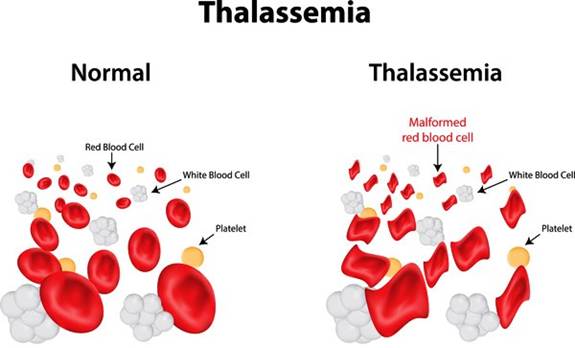
Why Thalassaemia Patients Are High-Risk ?
- Thalassaemia patients require lifelong, regular blood transfusions (often every 2–4 weeks).
- Cumulative exposure → higher probability of transfusion-transmitted infections (TTIs).
- Even a single unsafe transfusion can cause:
- HIV
- Hepatitis B
- Hepatitis C
Screening Methods: ELISA vs NAAT
ELISA (Most Common in India)
- Detects antibodies, not viral genetic material.
- Window period risk:
- HIV: ~3–6 weeks
- Hepatitis C: ~6–8 weeks
- Lower cost, widely used in public blood banks.
NAAT (Nucleic Acid Amplification Test)
- Detects viral DNA/RNA directly.
- Reduces window period:
- HIV: to ~7–10 days
- Hepatitis C: to ~10–14 days
- Globally considered gold standard for transfusion safety.
Key Gap: Most Indian blood banks do not routinely use NAAT.
Scale of the Public Health Risk (Indicative)
- India has:
- ~1–1.2 lakh thalassaemia major patients.
- ~10,000–15,000 new thalassaemia births annually.
- Blood transfusions annually: millions across India.
- Even a tiny failure rate translates into large absolute numbers of infections.
Case Evidence Highlighted
- HIV infection detected in a thalassaemia patient after repeated transfusions, despite prior negative tests.
- Indicates:
- Infection likely occurred during diagnostic window period.
- ELISA screening failed to detect early infection.
Regulatory & Legal Context
National Blood Transfusion Services Commission Bill, 2025
- Proposes:
- Centralised regulation of blood services.
- National standards for screening & quality.
- Limitation:
- Does not mandate NAAT testing.
- Leaves screening standards largely to existing practice.
Current Framework
- Blood safety governed by:
- Drugs & Cosmetics Act
- National Blood Policy
- NAAT mandatory only for certain private hospitals, not uniformly across public system.
Equity & Ethics Dimension
- Blood safety framed as:
- Patient safety issue, not donor inconvenience.
- Ethical concern:
- Vulnerable patients (thalassaemia, haemophilia, cancer) bear disproportionate risk.
- Informed consent paradox:
- Patients assume blood is safe.
- Actual screening standards vary widely.
Governance & Capacity Constraints
- NAAT challenges:
- Higher cost per test.
- Requires advanced labs, trained personnel.
- Structural issues:
- Fragmented blood bank system.
- Quality variation between states and facilities.
- Result:
- Two-tier blood safety system (private vs public).
International Best Practices
- Many high-income countries mandate:
- Universal NAAT screening.
- Centralised blood services.
- Result:
- Near-elimination of transfusion-related HIV/HCV transmission.
Policy Trade-Off: Cost vs Safety
- NAAT increases per-unit blood cost.
- But long-term:
- Prevents lifelong HIV treatment costs.
- Reduces litigation & compensation.
- Enhances public trust in health system.
Inference: Preventive screening is economically rational, not just ethically necessary.
Way Forward
Legal
- Amend Bill to mandate NAAT for all blood banks, phased implementation.
Institutional
- Centralised procurement of NAAT kits to reduce cost.
- Regional NAAT labs serving district blood banks.
Financial
- Public funding support for NAAT under NHM.
- Cross-subsidisation model.
Governance
- National transfusion safety audit.
- Real-time TTI surveillance registry.