

Content
- Harish Rana v. Union of India (2026) – Right to Die with Dignity
- Falcon 9 Re-entry Pollution – Emerging Environmental Challenge in the Second Space Age
- Andhra Pradesh Declared “Naxal-Free” (2026) – Milestone in Left Wing Extremism (LWE) Eradication
- CMS COP15 ends in Brazil with 40 new species being accorded protection
- FATF Report on Offshore VASPs – India’s Emerging “Digital Border Enforcement” Framework
- Great Indian Bustard (GIB) Conservation – “Jumpstart Approach” Success in Gujarat
- Lights off at India Gate for a cause
- Bhavasagara” Referral Centre Designated as India’s National Repository for Deep-Sea Fauna
Harish Rana v. Union of India (2026) – Right to Die with Dignity
Why in News?
- In 2026, the Supreme Court in Harish Rana v. Union of India allowed withdrawal of Clinically Assisted Nutrition and Hydration (CANH) for the first time in India.
- The judgment reaffirmed that Right to Die with Dignity is part of Article 21, marking a shift from life preservation at all costs → dignity and autonomy-based approach.
- The Court declared the term “passive euthanasia” as legally imprecise, preferring “withholding/withdrawing life-sustaining treatment (LST)”.
- Patient details: Case involved a 31–32-year-old man in Persistent Vegetative State (PVS) for ~13 years (no living will; family petitioned).
Relevance
GS II (Polity / Constitution)
- Article 21: expansion to include dignity in death and bodily autonomy.
- Judicial evolution of euthanasia jurisprudence and living wills.
GS II (Governance)
- Institutional protocols: medical boards, hospital ethics frameworks.
- Reduced judicial intervention → faster decision-making.
GS III (Health)
- Palliative care integration and end-of-life care systems.
- Reducing futile medical expenditure.
Practice Question
Q. Critically examine the implications of the Supreme Court’s recognition of the “Right to Die with Dignity” under Article 21. Discuss ethical concerns and necessary safeguards in end-of-life decision-making. (250 words)
Evolution of Jurisprudence (2011–2026)
- Aruna Shanbaug v. Union of India (2011) recognised passive euthanasia for the first time, placing decision-making under High Court supervision as parens patriae.
- Common Cause v. Union of India (2018) declared Right to Die with Dignity as a Fundamental Right under Article 21, and legally recognised Living Wills (Advance Directives).
- Common Cause v. Union of India (2023) simplified procedures by removing excessive bureaucratic hurdles and easing validation of living wills.
- Harish Rana (2026) marks the final doctrinal shift, expanding scope to include withdrawal of CANH and eliminating conceptual confusion around “passive euthanasia”.
Constitutional and Legal Basis
Article 21 – Expansive Interpretation
- Article 21 guarantees Right to Life and Personal Liberty, judicially expanded to include:
- Right to dignity
- Right to privacy
- Right to refuse medical treatment
- Court held that:
- Right to live with dignity includes right to die with dignity in terminal conditions, ensuring autonomy over bodily integrity.
Legal Clarification by the Court
- Distinction made between:
- Active euthanasia (illegal) → direct act to end life
- Withholding/withdrawing treatment (permissible) → allowing natural death
- Court emphasised:
- Doctor is not causing death, but removing artificial prolongation of life
Ethical Framework Underlying the Judgment
1. Autonomy
- Recognises patient’s right to:
- Accept or refuse medical treatment
- Execute Living Will/Advance Directive
- Shifts locus of decision-making from State → Individual
2. Beneficence
- Doctors must act in best interest of patient, including relief from prolonged suffering in terminal illness.
3. Non-Maleficence
- Continuing futile treatment causing prolonged agony may itself amount to harm, violating medical ethics.
4. Justice
- Ensures decision is:
- Not influenced by poverty, neglect, or social discrimination
- Equitable and ethically justified
5. Doctrine of Double Effect (Thomas Aquinas)
- Withdrawal of treatment has:
- Intended effect → relief from suffering
- Foreseen but unintended effect → death
- Action remains ethical if primary intent is alleviation of suffering, not causing death.
Procedural Safeguards (Post-2023/2026 Framework)
Primary Medical Board:
- Minimum three experts with ~20 years experience certify terminal condition
Review Board:
- Independent confirmation within hospital, ensuring medical consensus
No mandatory judicial approval:
- Courts intervene only in case of disputes, reducing delays
Mandatory palliative care:
- Withdrawal of life support does not mean abandonment; comfort care must continue
Significance of the Judgment
Legal Significance
- Completes transition from:
- Sanctity of life doctrine → dignity-centric jurisprudence
- Clarifies ambiguity around euthanasia terminology and strengthens legal certainty
Governance and Medical Practice
- Provides clear operational guidelines for hospitals and doctors, reducing fear of legal liability
- Enables ethical decision-making within structured institutional safeguards
Human Rights Perspective
- Reinforces:
- Bodily autonomy
- Right against cruel and inhuman treatment (prolonged suffering)
- Aligns with global jurisprudence on end-of-life care rights
Economic and Social Context
- Addresses reality of:
- Catastrophic health expenditure in terminal illness cases, especially in lower-income households
- Prevents:
- Financial ruin of families due to prolonged futile treatment
Concerns and Criticism
Risk of Misuse
- Vulnerable groups (elderly, disabled, poor) may face:
- Coercion or indirect pressure to withdraw treatment
Ethical Dilemmas
- Conflict between:
- Religious/moral beliefs (sanctity of life)
- Secular rights-based approach (autonomy and dignity)
Socio-economic Inequality
- Decision-making may be influenced by:
- Financial constraints rather than genuine patient choice
Slippery Slope Argument
- Fear that acceptance of withdrawal of treatment could gradually lead to:
- Acceptance of active euthanasia
Institutional Capacity
- Need for:
- Robust hospital ethics committees
- Trained palliative care systems
Way Forward
- Strengthen palliative care infrastructure across public healthcare system to ensure dignified end-of-life care.
- Create standardised national guidelines and training modules for medical professionals on end-of-life decisions.
- Ensure strict monitoring mechanisms to prevent coercion or misuse in vulnerable populations.
- Promote awareness about:
- Living wills
- Patient rights
- Integrate ethical decision-making into medical education and hospital governance systems.
Prelims Pointers
- Right to Die with Dignity:
- Part of Article 21
- Living Will:
- Advance directive refusing life-sustaining treatment
- Active euthanasia:
- Illegal in India
- Withdrawal of life support:
- Legally permitted under strict safeguards
Falcon 9 Re-entry Pollution – Emerging Environmental Challenge in the Second Space Age
Why in News?
- A February 2026 study in Communications Earth & Environment provided the first empirical evidence linking rocket re-entry (Falcon 9) to chemical alteration of the upper atmosphere.
- Researchers detected a metal vapour plume (especially lithium) at ~96 km altitude, confirming that space traffic is actively polluting the mesosphere–thermosphere region.
- The findings shift global concern from orbital debris (Kessler Syndrome) to atmospheric pollution from satellite burn-up, especially due to mega-constellations like Starlink.
Relevance
GS III (Environment)
- Emerging pollution in upper atmosphere (mesosphere–thermosphere).
- Ozone depletion and climate implications.
GS III (Science & Technology)
- Satellite ablation, atmospheric chemistry, space sustainability.
GS II (International Relations)
- Regulatory vacuum in global space governance.
Practice Question
Q. Space activities are increasingly posing environmental challenges beyond Earth’s surface. Analyse the issue of rocket re-entry pollution and suggest a governance framework. (250 words)
Static Background
Second Space Age and Satellite Proliferation
- The world is witnessing a “Second Space Age”, characterised by rapid expansion of:
- Satellite-based communication, navigation, and Earth observation systems
- Thousands of satellites already in orbit, with tens of thousands more planned (mega-constellations)
- Typical satellite lifespan:
- ~5 years, after which they de-orbit and burn in atmosphere
Atmospheric Layers Involved
- Re-entry occurs mainly in:
- Mesosphere (50–85 km)
- Lower Thermosphere (~85–100 km)
- These regions are:
- Crucial for atmospheric chemistry
- Poorly understood compared to lower layers
Key Scientific Findings
1. Direct Detection of Metal Vapour Plume
- Researchers tracked a Falcon 9 re-entry (Feb 2025) using resonance lidar in Germany.
- Observations showed:
- Lithium concentration spike at 96 km altitude, about 10 times higher than natural background levels
- Backward trajectory modelling confirmed:
- The plume travelled ~1600 km from Ireland to Germany within ~20 hours
2. Chemical Signature – Anthropogenic vs Natural
- Natural meteors contribute:
- Only ~80 grams of lithium globally per day
- In contrast:
- A single Falcon 9 stage releases ~30 kg lithium, along with large quantities of aluminum
- Indicates a massive anthropogenic override of natural atmospheric chemistry
3. Atmospheric Dispersion Dynamics
- Metallic vapours:
- Do not remain localised
- Spread rapidly through upper atmospheric circulation (mesospheric jet streams)
- Creates a globalised pollution footprint from individual re-entry events
4. Ablation Physics
- During re-entry (~7.5 km/s):
- Satellites and rocket stages atomise into fine metallic aerosols rather than simply burning
- Composition:
- Lithium-aluminum alloys (structural materials)
- Lithium-ion batteries
- Result:
- Formation of metallic clouds in upper atmosphere
Environmental Implications
1. Ozone Layer Depletion Risk
- Aluminum oxide particles act as catalysts for chlorine activation, accelerating ozone breakdown reactions.
- Similar mechanism observed in:
- Volcanic aerosols
- CFC-induced ozone depletion
- Raises concerns about long-term stratospheric ozone stability
2. Climate and Radiative Forcing
- Metallic particles may contribute to formation of:
- Noctilucent clouds (highest clouds in atmosphere)
- These can alter:
- Earth’s albedo (reflectivity)
- Heat trapping and radiation balance
- Current climate models do not adequately account for metal-induced radiative forcing
3. Chemical Transformation of Upper Atmosphere
- Transition from:
- Naturally iron-dominated meteoric input
- To aluminum-lithium dominated anthropogenic input
- Could fundamentally alter:
- Atmospheric chemistry
- Ionisation processes
- Space-weather interactions
4. Scale of the Problem (Mega-Constellations)
- Starlink and similar projects plan 40,000+ satellites
- With ~5-year lifespan:
- ~20–25 satellites re-enter daily in future scenarios
- By 2030:
- Human-made metal input may equal or exceed natural meteoric input, marking a tipping point
Significance
Environmental Governance
- Highlights a new dimension of space pollution, beyond orbital debris, requiring regulatory attention.
Scientific Advancement
- Demonstrates ability to:
- Track upper atmospheric pollutants
- Attribute them to specific re-entry events
- Opens new field: Atmospheric Ablation Science
Policy Implications
- Challenges “green” narrative of reusable rockets and satellite internet systems.
- Necessitates integration of space activities into environmental governance frameworks.
Strategic Relevance
- As India expands its space programme (Gaganyaan, satellite constellations), similar concerns will arise.
- Requires proactive approach in:
- Space sustainability
- Environmental impact assessment
Challenges
Regulatory Vacuum
- No comprehensive global framework governing:
- Atmospheric pollution from space re-entry
- Outer Space Treaty focuses primarily on space debris, not atmospheric chemistry
Scientific Uncertainty
- Limited long-term data on:
- Ozone depletion effects
- Climate impacts
- Upper atmosphere remains under-researched domain
Commercial Pressure
- Private space companies prioritise:
- Cost efficiency and rapid deployment
- Environmental considerations remain secondary
Monitoring Limitations
- Tracking requires:
- Advanced lidar systems
- Global observational networks
- Currently limited to a few research centres
Way Forward
- Develop international regulatory norms under UNCOPUOS for managing re-entry pollution.
- Mandate Environmental Impact Assessments (EIA) for large satellite constellations.
- Promote research on:
- Alternative materials with lower atmospheric impact
- Establish global monitoring networks for upper atmosphere chemistry.
- Encourage controlled re-entry and recovery mechanisms to minimise atmospheric ablation.
- Integrate space sustainability into climate governance frameworks (UNFCCC, IPCC studies).
Prelims Pointers
- Mesosphere: 50–85 km altitude
- Thermosphere: Above ~85 km
- Lidar: Laser-based atmospheric sensing technology
- Noctilucent clouds: Highest clouds, visible in mesosphere
- Falcon 9: Reusable rocket by SpaceX
Andhra Pradesh Declared “Naxal-Free” (2026) – Milestone in Left Wing Extremism (LWE) Eradication
Why in News?
- Andhra Pradesh was officially declared “Naxal-free” on March 30, 2026, following the surrender of key Maoist leaders including a Central Committee member of CPI (Maoist).
- The announcement came just before the Union Government’s March 31, 2026 deadline for eliminating Left Wing Extremism nationwide.
- The surrender of Chelluri Narayana Rao (alias Suresh), a top leader of CPI (Maoist), marks the collapse of the Andhra-Odisha Border Special Zonal Committee (AOBSZC).
Relevance
GS III (Internal Security)
- Decline of Left Wing Extremism and counter-insurgency strategies.
GS II (Governance)
- Development-security synergy and Centre-State coordination.
Practice Question
Q. Evaluate the role of integrated security and development strategies in the decline of Left Wing Extremism in India. (250 words)
Static Background
Left Wing Extremism (LWE) in India
- LWE refers to Maoist insurgency inspired by Marxism-Leninism-Maoism, aiming to overthrow the Indian state through armed struggle.
- Origin traced to Naxalbari Uprising, which triggered the Naxalite movement.
- Strongholds historically:
- Red Corridor spanning Andhra Pradesh, Chhattisgarh, Jharkhand, Odisha, Maharashtra
Organizational Structure
- Main outfit: Communist Party of India (Maoist)
- Armed wing: People’s Liberation Guerrilla Army (PLGA)
- Hierarchical structure:
- Central Committee → Zonal Committees → Area Committees
Legal and Policy Framework
- Activities classified under Unlawful Activities (Prevention) Act (UAPA), 1967
- Key initiatives:
- SAMADHAN doctrine (Smart leadership, Aggressive strategy, Motivation, etc.)
- Security Related Expenditure (SRE) scheme
- Aspirational District Programme for development
Key Event Details
1. Collapse of AOBSZC
- Andhra-Odisha Border Special Zonal Committee was:
- One of the last operational Maoist strongholds in the region
- Its dismantling indicates:
- Loss of territorial and operational depth
- Breakdown of cross-border insurgency networks
2. Meaning of “Naxal-Free”
- Indicates:
- No active underground Maoist cadre operating within state boundaries
- However:
- Does not imply ideological elimination, but operational neutralisation
- Continued vigilance required against:
- Cross-border infiltration
- Urban sleeper cells
Data and Evidence (Decline of LWE)
- LWE-related incidents reduced by ~89% between 2010 and 2026
- Affected districts reduced from 120+ to less than 25 core districts
- Andhra Pradesh:
- Neutralised 18 Maoists in recent operations
- Recovered 120+ weapons (INSAS, .303 rifles)
- Indicates a clear long-term downward trajectory of insurgency
Factors Behind Success
1. Security Strategy
- Effective deployment of elite forces like:
- Greyhounds (Andhra Pradesh) known for intelligence-driven operations
- Improved coordination with:
- Central Armed Police Forces (CAPFs)
- Focus on:
- Targeted strikes rather than large-scale combing operations
2. Intelligence and Technology
- Use of:
- Drone surveillance
- Real-time intelligence networks
- Penetration of Maoist communication channels weakened organisational secrecy
3. Surrender and Rehabilitation Policy
- Attractive incentives:
- Immediate financial assistance (₹20,000 + rewards)
- Skill development and reintegration support
- Reduced appeal of insurgency by offering mainstream livelihood alternatives
4. Developmental Interventions
- Expansion of:
- Roads, telecom connectivity, banking access in tribal areas
- Welfare schemes:
- Direct Benefit Transfer (DBT), PDS, education, healthcare
- Reduced alienation of tribal populations, historically the Maoist support base
5. Loss of Ideological and Social Support
- Maoists losing legitimacy due to:
- Violence against civilians and public representatives
- Tribal communities increasingly aligning with state-led development initiatives
Significance
A.Internal Security
- Marks a major achievement in counter-insurgency operations, reducing one of India’s longest-running internal security threats.
B.Governance
- Enables deeper state penetration into previously inaccessible areas, improving service delivery and administrative reach.
C.Economic Development
- Opens up tribal and forest regions for:
- Infrastructure development
- Investment and livelihood generation
D.Federal Cooperation
- Demonstrates success of Centre-State coordination in internal security management.
Challenges Ahead
Residual Threats
- Maoist presence still persists in:
- Parts of Chhattisgarh, Jharkhand, and Odisha
- Risk of regrouping in border areas
Socio-Economic Vulnerabilities
- Core issues remain:
- Land alienation
- Tribal displacement
- Forest rights implementation gaps
Human Rights Concerns
- Allegations of:
- Excessive force
- Need for balanced approach between security and rights
Ideological Persistence
- Maoist ideology may continue in:
- Urban networks (“Urban Naxals” debate)
- Requires long-term counter-radicalisation efforts
Way Forward
- Shift focus from security-centric to development-centric consolidation phase in former LWE areas.
- Strengthen implementation of:
- Forest Rights Act, 2006
- PESA Act for tribal self-governance
- Enhance border area coordination between states to prevent resurgence.
- Promote:
- Education, skill development, and local employment generation
- Institutionalise community policing and trust-building mechanisms.
Prelims Pointers
- Naxalbari uprising: 1967 (West Bengal)
- CPI (Maoist): Main LWE organisation
- Greyhounds: Elite anti-Naxal force of Andhra Pradesh
- Red Corridor: LWE-affected belt across central-eastern India
- SAMADHAN doctrine: India’s counter-LWE strategy
CMS COP15 ends in Brazil with 40 new species being accorded protection
Why in News?
- At the 15th Conference of Parties (COP15) to the Convention on the Conservation of Migratory Species of Wild Animals (CMS), held in Brazil (March 2026), 40 new migratory species were added to protected lists.
- The decision was based on alarming findings from the “State of the World’s Migratory Species: Interim Report (2026)”, which shows accelerating decline and extinction risks across taxa.
- Species such as the Cheetah, Striped hyena, Snowy owl, Giant otter, and Great hammerhead shark were included due to mounting threats across migratory routes.
Relevance
GS III (Environment)
- Conservation of migratory species and ecosystem connectivity.
GS II (International Relations)
- Multilateral environmental agreements and cooperation.
Practice Question
Q. Conservation of migratory species requires transboundary and ecosystem-based approaches. Discuss in light of recent CMS developments. (250 words)
Static Background
Convention on Migratory Species (CMS)
- CMS (also called Bonn Convention, 1979) is a UN-backed environmental treaty aimed at conserving migratory species across national boundaries.
- It operates through two appendices:
- Appendix I: Species threatened with extinction requiring strict protection measures.
- Appendix II: Species needing international cooperation for conservation management.
- India is a signatory and hosts CMS COP13 (Gandhinagar, 2020), indicating active global engagement.
Migratory Species – Ecological Importance
- Migratory species traverse multiple ecosystems and national jurisdictions, linking habitats across continents and oceans.
- They play critical roles in:
- Pollination, seed dispersal, and pest control
- Maintaining ecosystem connectivity and resilience
- Conservation requires transboundary cooperation, unlike sedentary species.
Key Outcomes of CMS COP15 (2026)
1. Addition of 40 Species to Protected Lists
- Species were added to CMS Appendices based on scientific evidence of rapid population decline and increasing extinction risk.
- Examples with threats:
- Cheetah: Habitat fragmentation and human-wildlife conflict reducing movement corridors.
- Great hammerhead shark: Overfishing and bycatch in international waters affecting migratory routes.
- Giant otter: Habitat degradation and mercury pollution in Amazon basin ecosystems.
- Snowy owl: Climate-induced prey fluctuations impacting survival and breeding cycles.
- This expansion reflects a shift toward precautionary conservation based on emerging scientific evidence rather than post-extinction crisis response.
2. Interim Report (2026) – Data of Decline
- Nearly 49% of CMS-listed migratory species are experiencing population decline, indicating systemic conservation failures.
- About 24% of migratory species face extinction risk, highlighting urgency of intervention.
- Total 188 migratory species are at high extinction risk, including:
- 103 bird species
- 26 fish species
- 28 terrestrial mammals
- 23 aquatic mammals
- Additionally, 26 CMS-listed species (including 18 shorebirds) have been uplisted to higher threat categories, indicating worsening conservation status.
3. Key Biodiversity Areas (KBA) Gap
- Over 9,000 Key Biodiversity Areas (KBAs) have been identified globally as critical for migratory species survival.
- However, 47% of these KBAs remain outside formal protection frameworks, exposing them to development pressures.
- This highlights a major implementation gap between scientific identification and policy protection.
4. Emerging Threats Highlighted
- COP15 emphasised new-age threats beyond traditional habitat loss:
- Deep-sea mining disrupting marine migratory pathways and ecological balance
- Underwater noise pollution affecting navigation and communication of marine species
- Plastic pollution and marine debris impacting ingestion and habitat quality
- Linear infrastructure (roads, railways, power lines) fragmenting terrestrial corridors
- Recognition of these threats indicates a shift toward holistic ecosystem-based conservation approaches.
5. Multi-Species Conservation Plans
- Adoption of regional multi-species action plans, especially for the Amazon, recognising ecosystems as interconnected migratory corridors.
- Emphasis on:
- Protecting entire migratory routes rather than isolated habitats
- Integrating freshwater, terrestrial, and marine ecosystems
Significance
Ecological Significance
- Reinforces the concept that species survival depends on connectivity of habitats rather than isolated conservation zones.
- Protects ecosystem services such as pollination, nutrient cycling, and marine food chains.
Governance Significance
- Strengthens global environmental governance through collective action and treaty-based obligations across countries.
- Highlights need for policy convergence across sectors such as infrastructure, fisheries, and climate policy.
Scientific Significance
- Demonstrates increasing reliance on data-driven conservation using global biodiversity monitoring frameworks.
- Promotes adaptive conservation strategies based on real-time ecological evidence and risk assessment.
India-Specific Relevance
- Many CMS species overlap with Indian biodiversity hotspots (e.g., migratory birds, marine species), requiring:
- Strengthening of flyway conservation (Central Asian Flyway)
- Integration with national programmes like Project Dolphin and Project Tiger
- India’s infrastructure expansion (roads, renewables) must align with wildlife corridor protection.
Challenges and Gaps
Implementation Deficit
- Listing species under CMS does not automatically ensure protection unless backed by strong national-level enforcement mechanisms.
Habitat Fragmentation
- Increasing infrastructure development leads to disruption of migratory corridors, reducing survival and breeding success.
Climate Change Impacts
- Alters migration timing, breeding patterns, and food availability, causing phenological mismatches.
Weak Transboundary Coordination
- Conservation efforts vary across countries, leading to inconsistent protection along migratory routes.
Funding and Capacity Constraints
- Many developing countries lack resources for monitoring, enforcement, and habitat restoration.
Way Forward
- Shift from species-centric to corridor-based conservation, ensuring protection of entire migratory pathways.
- Integrate biodiversity considerations into infrastructure planning using tools like Strategic Environmental Assessment (SEA).
- Strengthen international cooperation through data sharing, joint monitoring, and funding mechanisms.
- Expand protected area networks to cover critical KBAs and ecological corridors.
- Promote community participation and indigenous knowledge in conservation of migratory habitats.
- Align CMS implementation with CBD targets and SDG 15 (Life on Land) and SDG 14 (Life Below Water).
Prelims Pointers
CMS:
- Also called Bonn Convention (1979)
- Two appendices: I (strict protection), II (cooperation)
- India hosted CMS COP13 in Gandhinagar (2020)
- Key concept:
- Key Biodiversity Areas (KBAs) = critical habitats for species survival
- New threats:
- Deep-sea mining, underwater noise, plastic pollution
FATF Report on Offshore VASPs – India’s Emerging “Digital Border Enforcement” Framework
Why in News?
- A March 2026 report by the Financial Action Task Force (FATF) highlighted India’s proactive measures to mitigate risks posed by offshore Virtual Asset Service Providers (oVASPs).
- The report acknowledged enforcement actions by agencies such as Financial Intelligence Unit – India, Enforcement Directorate, and National Investigation Agency against money laundering and terror financing via crypto channels.
- It noted India’s transition from tax-centric regulation (post-2022 VDA regime) to active surveillance and enforcement of cross-border crypto flows.
Relevance
GS III (Economy)
- Regulation of virtual digital assets and financial systems.
GS III (Security)
- Money laundering and terror financing via crypto.
GS II (Governance)
- Digital sovereignty and cross-border regulatory enforcement.
Practice Question
Q. Discuss the challenges posed by offshore Virtual Asset Service Providers (VASPs) to financial regulation and examine India’s response. (250 words)
Static Background
What are Virtual Asset Service Providers (VASPs)?
- VASPs are entities that facilitate exchange, transfer, custody, or issuance of virtual digital assets (VDAs) such as cryptocurrencies.
- Offshore VASPs (oVASPs) operate outside India’s jurisdiction but provide services to Indian users, often bypassing domestic regulatory compliance.
FATF Framework on Virtual Assets
- FATF introduced global AML/CFT standards for virtual assets in 2019, including:
- Travel Rule (sharing originator and beneficiary details)
- Customer Due Diligence (CDD) and KYC norms
- Countries are required to regulate VASPs under Anti-Money Laundering (AML) and Countering Financing of Terrorism (CFT) frameworks.
India’s Regulatory Context
- VDAs taxed since 2022:
- 30% tax on gains
- 1% TDS on transactions
- Brought under Prevention of Money Laundering Act, 2002 in 2023, mandating compliance with AML norms.
- Regulatory oversight primarily through FIU-India under the Ministry of Finance.
Key Findings of FATF Report
1. Emergence of Offshore Crypto Risk Ecosystem
- Offshore platforms are increasingly used to:
- Convert illicit funds into crypto assets
- Route them through compliant Indian exchanges into legitimate banking channels
- Example:
- Scam compounds in Myanmar–Thailand border, Cambodia, Laos exploiting trafficked individuals for cyber fraud operations
2. “Flight to Offshore” After Tax Regime
- Post-2022 taxation, a significant proportion of Indian crypto users migrated to offshore exchanges to avoid compliance burdens.
- Estimated $3.8 billion (~₹32,000 crore) trading volume shifted offshore, weakening domestic regulatory oversight.
- Offshore platforms encourage:
- Use of VPNs
- Shell companies
- No-KYC trading
3. Typologies of Illicit Activities
- Crypto used for:
- Money laundering through layering and integration stages
- Gambling platforms acting as laundering channels (“win-loss” mechanism)
- Terror financing through anonymous wallets
- Caribbean-based gambling platform case exposed AML blind spots in cross-border transactions.
India’s Enforcement Architecture
1. Financial Intelligence and Surveillance
- Financial Intelligence Unit – India leverages Suspicious Transaction Reports (STRs) from registered VASPs to detect abnormal patterns.
- Detection of:
- Unusual deposit flows from offshore wallets
- Conversion of illicit crypto into fiat money via Indian banking system
2. Virtual Asset Lab (Emerging Tool)
- Proposed high-tech analytical hub for continuous monitoring of crypto ecosystem.
- Key capabilities:
- Heuristic clustering to identify linked wallet networks
- Automated web surveillance scanning social media and dark web platforms
- Open-source intelligence (OSINT) mapping offshore infrastructure
3. Principal Officer (PO) Mandate
- Mandatory requirement for VASPs to appoint a Principal Officer based in India with full legal accountability.
- Ensures:
- Direct regulatory interface
- Personal liability in case of AML violations
- Ends anonymity of offshore platforms operating in Indian market indirectly.
4. Sahyog Portal – Digital Enforcement Tool
- Launched by the Ministry of Home Affairs to coordinate with intermediaries for content takedown and enforcement actions.
- FIU has used it to:
- Block 85 URLs of non-compliant offshore VASPs
- Enables faster response to:
- Illegal crypto platforms
- Fraud-linked digital infrastructure
5. Multi-Agency Coordination Mechanism
- Virtual Assets Contact Sub-Group (2023) under Department of Revenue ensures:
- Coordination among enforcement, intelligence, and regulatory bodies
- Sharing of typologies, trends, and case studies
- Agencies involved:
- FIU, ED, NIA, CBI, Income Tax Department
Significance of India’s Approach
Financial Security
- Strengthens ability to detect and disrupt illicit financial flows, including terror financing and organised cybercrime.
Regulatory Sovereignty
- Extends India’s regulatory reach beyond borders through “digital perimeter enforcement”, targeting offshore entities serving Indian users.
Technological Governance
- Adoption of advanced analytics and surveillance tools reflects shift toward data-driven financial regulation in digital economy.
Global Leadership
- Aligns with FATF standards, enhancing India’s credibility in global financial integrity and compliance frameworks.
Challenges and Concerns
Jurisdictional Limitations
- Offshore entities operate beyond India’s direct legal jurisdiction, making enforcement dependent on intermediaries and international cooperation.
Regulatory Arbitrage
- Users can still exploit:
- VPNs
- Decentralised exchanges (DEXs)
- Creates persistent enforcement gaps
Innovation vs Regulation Trade-off
- Excessive regulation and taxation may:
- Drive innovation offshore
- Reduce competitiveness of Indian crypto ecosystem
Data Privacy and Surveillance Concerns
- Increased monitoring through OSINT and web surveillance raises concerns regarding:
- Privacy rights
- Potential misuse of data
Capacity Constraints
- Need for specialised expertise in:
- Blockchain forensics
- Cyber intelligence
- Institutional capacity still evolving
Way Forward
- Develop a comprehensive Virtual Digital Asset regulatory framework balancing innovation and risk mitigation.
- Enhance international cooperation mechanisms for cross-border enforcement and data sharing.
- Promote RegTech and SupTech tools for real-time monitoring of crypto transactions.
- Rationalise taxation to reduce incentive for offshore migration of users.
- Strengthen capacity building in blockchain analytics and cyber forensics across agencies.
- Encourage regulated domestic crypto ecosystem to improve compliance and investor protection.
Prelims Pointers
- FATF: Intergovernmental body for AML/CFT standards
- VASPs: Entities dealing in virtual digital assets
- FIU-India: Nodal agency for financial intelligence under Ministry of Finance
- PMLA, 2002: Covers virtual digital assets since 2023
- Sahyog Portal: Used for takedown of illegal online platforms
Great Indian Bustard (GIB) Conservation – “Jumpstart Approach” Success in Gujarat
Why in News?
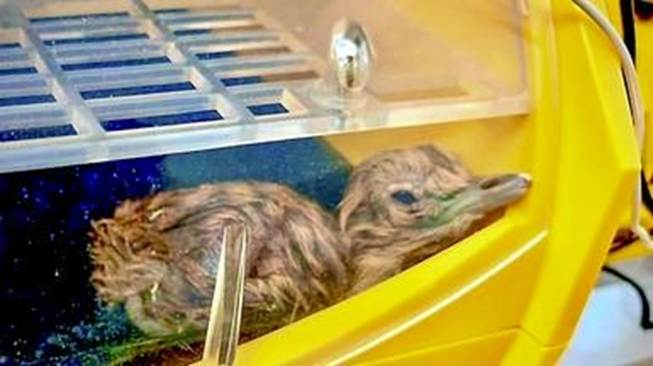
- A Great Indian Bustard (GIB) chick was successfully hatched in Gujarat’s Kutch region in March 2026 using a novel “jumpstart approach”, marking the first such success in nearly a decade.
- The initiative involved inter-state transfer of a fertile egg from Rajasthan to Gujarat, coordinated by the Ministry of Environment, Forest and Climate Change, State Forest Departments, and the Wildlife Institute of India.
- This breakthrough is significant as Gujarat had only three surviving female GIBs, all laying infertile eggs due to absence of males, creating a critical reproductive bottleneck.
Relevance
GS III (Environment)
- Species conservation and innovative techniques.
GS II (Governance)
- Inter-state cooperation in biodiversity management.
Practice Question
Q. Discuss the role of innovative conservation strategies in preventing extinction of critically endangered species in India. (250 words)
Static Background
About Great Indian Bustard (GIB)
- Scientific name: Ardeotis nigriceps; among the heaviest flying birds in the world, endemic to the Indian subcontinent.
- Habitat:
- Arid and semi-arid grasslands, especially Thar Desert ecosystems
- Distribution:
- Primarily Rajasthan (~90% population), with remnant populations in Gujarat, Maharashtra, Karnataka, Andhra Pradesh
Conservation Status
- IUCN Status: Critically Endangered
- Wildlife Protection Act, 1972: Schedule I species (highest protection)
- CMS (Convention on Migratory Species): Appendix I species
- Estimated population: <150 individuals globally, indicating extreme extinction risk
Project GIB
- Launched in 2016, envisioned earlier in 2011
- Objective:
- Habitat protection
- Predator control
- Captive breeding and reintroduction
- Key centres:
- Sam and Ramdevra (Rajasthan)
- Current captive population: ~73 birds, serving as a genetic “insurance population”
“Jumpstart Approach” – Technical Explanation
Conceptual Basis
- A foster-parenting conservation strategy, used when wild populations are too small to reproduce naturally.
- Designed to overcome reproductive isolation and absence of males in fragmented populations.
Operational Steps
- Identification Stage:
- Monitoring of the remaining female GIBs in Kutch to identify those biologically capable of incubation.
- Egg Replacement Strategy:
- A naturally laid infertile egg was replaced with a fertile, captive-bred egg from Rajasthan, ensuring continuity of maternal behaviour.
- Logistics and Precision Handling:
- Egg transported over 770 km in ~19 hours using a portable incubator, maintaining precise temperature (~37.5°C) and humidity conditions.
- Successful Hatching and Rewilding:
- Chick hatched on March 26, 2026, and is being raised by a wild foster mother, ensuring natural behavioural imprinting.
Significance of the Development
Ecological Significance
- Addresses local extinction risk in Gujarat, effectively restarting the reproductive cycle of the population.
- Enables in-situ conservation with natural behavioural learning, unlike purely captive breeding approaches.
Scientific and Conservation Innovation
- Demonstrates application of assisted reproduction and behavioural ecology integration in wildlife conservation.
- Establishes a replicable model for other critically endangered species with fragmented populations.
Inter-State Cooperative Federalism
- First example of inter-state biological resource transfer for species recovery, showcasing coordination between Rajasthan and Gujarat.
- Strengthens cooperative federalism in biodiversity conservation governance.
Rewilding and Genetic Conservation
- Ensures that captive-bred individuals contribute to wild population recovery, preventing genetic stagnation.
- Bridges gap between ex-situ conservation (breeding centres) and in-situ conservation (natural habitats).
Strategic Conservation Value
- Creates a “biological bridge” between isolated populations, enabling future repopulation of former habitats in other states.
- Reinforces India’s commitment to species recovery under global biodiversity frameworks.
Data and Evidence
- Total GIB population: <150 individuals globally
- Rajasthan captive breeding centres: ~73 birds
- Gujarat population prior to event: only 3 females, no breeding males
- Egg transfer distance: 770 km (one of the longest embryo transfers in India)
- Incubation conditions: ~37.5°C constant temperature requirement
Legal and Policy Context
- Supreme Court has actively intervened in GIB conservation, especially in:
- Mandating undergrounding of power lines in GIB habitats, which are the leading cause of mortality.
- GIB conservation linked to:
- National Biodiversity Action Plan
- India’s commitments under CMS and CBD
- Reflects increasing role of judiciary in species-specific conservation governance
Challenges Ahead
Habitat Degradation
- Grasslands often misclassified as “wastelands”, leading to diversion for agriculture, infrastructure, and renewable energy projects.
Power Line Mortality
- Overhead high-tension wires cause frequent collisions, which is the leading cause of adult GIB deaths.
Predation and Survival Risks
- Ground-nesting behaviour exposes chicks to feral dogs, foxes, and other predators, reducing survival rates.
Genetic Bottleneck
- Extremely small population leads to:
- Low genetic diversity
- Increased inbreeding risks
Institutional and Implementation Gaps
- Delays in implementing Supreme Court directives on power line mitigation
- Coordination challenges across multiple states and agencies
Way Forward
- Scale up the jumpstart approach to other GIB habitats such as Maharashtra and Karnataka for population revival.
- Ensure time-bound undergrounding or bird diverters on power lines in all critical habitats.
- Legally recognise grasslands as ecologically sensitive ecosystems, preventing their diversion.
- Strengthen community-based conservation models, involving local pastoral communities as stakeholders.
- Enhance funding and research for genetic diversity management and assisted reproductive technologies.
- Integrate GIB conservation into renewable energy planning, ensuring biodiversity-sensitive infrastructure development.
Prelims Pointers
- Great Indian Bustard:
- Scientific name: Ardeotis nigriceps
- Status: Critically Endangered (IUCN)
- Schedule I (Wildlife Protection Act)
- Project GIB launched in 2016
- Major threat: Collision with power lines
- Habitat: Arid grasslands (Thar Desert)
- Jumpstart approach: Foster incubation using captive-bred eggs in wild nests
Lights off at India Gate for a cause
Why in News?
- Earth Hour 2026 marked 20 years (2007–2026) of the global environmental movement initiated by World Wide Fund for Nature, highlighting its evolution from symbolic participation to measurable climate action frameworks.
- In India, major landmarks including India Gate switched off lights, reflecting strong institutional and citizen engagement in climate awareness activities.
- Introduction of the “Hour Bank” concept signifies a transition towards quantifying citizen-led environmental actions, making climate participation measurable and policy-relevant.
Relevance
GS III (Environment)
- Demand-side energy efficiency and climate action.
GS IV (Ethics)
- Behavioural change and environmental responsibility.
Practice Question
Q. Behavioural change is critical for achieving climate goals. Evaluate the role of citizen-led initiatives in environmental governance. (250 words)
Static Background
Origin and Evolution of Earth Hour
- Earth Hour began in Sydney in 2007 as a symbolic “lights-off” event to raise awareness about climate change and unsustainable consumption patterns.
- Over time, it has expanded into a global grassroots movement spanning over 190 countries, making it one of the largest environmental participation initiatives globally.
- The movement has evolved from awareness generation to behavioural transformation and policy influence, aligning with global sustainability and climate action frameworks.
Conceptual Basis and Philosophy
- Earth Hour is rooted in the principle that collective small-scale individual actions can generate significant macro-level environmental impact over time.
- It reflects behavioural economics insights, where nudging citizens towards sustainable habits can complement regulatory and technological climate interventions.
- Closely aligned with India’s Lifestyle for Environment (LiFE) initiative, which promotes sustainable consumption and responsible living practices globally.
Key Features of Earth Hour 2026
1. Energy Savings and Grid-Level Impact
- Delhi recorded an approximate 216 MW reduction in electricity demand during the one-hour switch-off period, demonstrating tangible outcomes of collective citizen action.
- Within the BSES distribution network, nearly 174 MW of electricity savings were observed, indicating significant participation at the urban consumer level.
- Historical trend analysis shows increasing engagement, with ~206 MW savings in 2024 and ~269 MW in 2025, reflecting growing awareness and responsiveness.
- Such reductions highlight the role of Earth Hour in peak load management and demand-side energy efficiency strategies, reducing stress on electricity grids.
2. “Hour Bank” – Quantification of Climate Action
- The 2026 edition introduced the “Hour Bank” framework, encouraging individuals to dedicate at least one hour to environmentally beneficial activities beyond switching off lights.
- Globally, over 2.9 million hours of pro-environment actions were recorded across 118 countries, marking a shift toward measurable behavioural contributions.
- India logged approximately 359,652 hours of activities, including urban gardening, sustainable cooking, and community awareness initiatives.
- The Philippines led globally with over 1.37 million hours, demonstrating the scalability and competitiveness of citizen-driven climate engagement.
- This approach transforms Earth Hour into a data-driven participatory platform, enabling better tracking of grassroots environmental actions.
3. Heritage and Institutional Participation
- For the first time, 100% of monuments under the Archaeological Survey of India participated, indicating unprecedented institutional coordination and commitment.
- Major heritage sites such as Qutub Minar, Red Fort, and Gateway of India switched off illumination simultaneously.
- Electricity distribution companies such as BSES, BRPL, and BYPL actively encouraged consumer participation, integrating Earth Hour with urban energy governance.
- This widespread participation reflects the growing institutionalisation of climate awareness across government agencies and public infrastructure systems.
4. Policy and Sustainability Linkages
- Earth Hour aligns with India’s international commitments such as Panchamrit targets announced at COP26 and the Net Zero 2070 goal, reinforcing climate diplomacy efforts.
- The initiative complements renewable energy expansion by promoting energy conservation and efficiency on the demand side, reducing reliance on fossil fuel-based generation.
- Utilities leveraged the event to promote Battery Energy Storage Systems (BESS) and rooftop solar adoption, aiming for a 50% green energy portfolio by FY 2026–27.
- Demonstrates how behavioural initiatives can complement structural energy transitions and policy reforms in the power sector.
5. Biodiversity and Global Environmental Context
- Earth Hour 2026 aligns with WWF’s Living Planet Report, which indicates a 73% decline in monitored wildlife populations globally, highlighting ecological urgency.
- Supports global conservation targets such as the 30×30 goal (protecting 30% of land and oceans by 2030) under international biodiversity frameworks.
- Expands the scope of Earth Hour from climate awareness to integrated biodiversity conservation and ecosystem restoration efforts.
Significance for India
Governance Perspective
- Encourages participatory climate governance, where citizens become active stakeholders rather than passive recipients of environmental policies.
- Provides valuable behavioural data that can inform urban planning, energy efficiency policies, and sustainability programmes at local and national levels.
Economic Perspective
- Demonstrates that energy savings through behavioural change can complement infrastructure investments, reducing the need for costly peak power generation capacity.
- Supports long-term reduction in electricity subsidies and fossil fuel dependence, contributing to fiscal sustainability in the energy sector.
Social and Ethical Perspective
- Promotes environmental ethics by fostering a sense of collective responsibility and intergenerational equity in resource use and conservation practices.
- Encourages community-level engagement, strengthening social capital around sustainability initiatives and ecological awareness campaigns.
Environmental Perspective
- Contributes to reduction in carbon emissions and ecological footprint, especially when behavioural changes are sustained beyond the symbolic one-hour period.
- Reinforces sustainable consumption patterns, supporting global commitments under SDG 12 (Responsible Consumption) and SDG 13 (Climate Action).
Challenges and Limitations
- The initiative remains largely symbolic for many participants, with limited evidence of sustained behavioural change beyond the event duration.
- Participation tends to be urban-centric, with relatively lower awareness and engagement in rural and peri-urban regions.
- The Hour Bank data lacks robust verification mechanisms, raising concerns regarding accuracy and standardisation of reported environmental actions.
- There is limited integration of Earth Hour outcomes with formal climate policy frameworks and institutional decision-making processes.
- Risk of “performative environmentalism,” where participation is driven by visibility rather than genuine commitment to sustainable practices.
Way Forward
- Integrate Earth Hour metrics into national climate monitoring systems, enabling data-driven policy formulation and evaluation of citizen engagement.
- Expand the “Hour Bank” into a continuous year-long platform for tracking environmental actions, rather than limiting it to a single annual event.
- Introduce incentive mechanisms such as green credits, carbon points, or tax rebates to encourage sustained behavioural change among citizens.
- Strengthen rural outreach through Panchayati Raj Institutions, self-help groups, and local governance structures, ensuring inclusive participation.
- Leverage digital technologies and AI to verify and aggregate citizen actions, improving credibility and usability of environmental data.
Prelims Pointers
- Earth Hour was launched in 2007 in Sydney by WWF as a climate awareness campaign involving voluntary switching off of lights.
- Observed annually on the last Saturday of March, with participation from over 190 countries worldwide.
- The 2026 edition introduced the “Hour Bank” concept, focusing on measurable environmental actions beyond symbolic participation.
- It is a non-governmental global initiative led by WWF, not a UN-mandated programme.
“Bhavasagara” India’s First National Repository for Deep-Sea Fauna
Why in News?
- On 30 March 2026, the Ministry of Environment, Forest and Climate Change formally designated the “Bhavasagara” Referral Centre (Kochi), operated by Centre for Marine Living Resources and Ecology under the Ministry of Earth Sciences, as a National Repository for Deep-Sea Fauna.
- The designation has been granted under provisions of the Biological Diversity Act, 2002, giving it statutory recognition.
- This development reflects India’s attempt to institutionalise deep-sea biodiversity governance amid expanding ambitions in the blue economy and deep ocean exploration.
Relevance
GS III (Environment / Science & Tech)
- Deep-sea biodiversity and blue economy.
GS II (Governance)
- Biodiversity conservation under Biological Diversity Act, 2002.
Practice Question
Q. Examine the importance of deep-sea biodiversity governance in the context of expanding blue economy initiatives. (250 words)
Static Background
Deep-Sea Ecosystems: Nature and Importance
- Deep sea refers to oceanic zones beyond 200 meters depth, constituting nearly 65% of Earth’s surface, making it the largest biome on the planet.
- Characterised by:
- Absence of sunlight (aphotic zone)
- High pressure and low temperature
- Unique adaptive features such as bioluminescence and extremophilic metabolism
- Ecological functions:
- Acts as a major carbon sink, contributing to global climate regulation
- Supports nutrient cycling and marine food webs
- Houses genetically unique species with high evolutionary value
India’s Maritime Jurisdiction and Resources
- India’s Exclusive Economic Zone (EEZ) spans about 2.37 million sq. km, providing sovereign rights over marine living and non-living resources.
- Key deep-sea resource zones:
- Central Indian Ocean Basin (CIOB) – rich in polymetallic nodules (nickel, cobalt, manganese)
- Growing focus on deep-sea mining, biodiversity exploration, and ocean services
Legal and Institutional Framework
- Biological Diversity Act, 2002:
- Ensures conservation, sustainable use, and equitable sharing of biological resources
- Mandates establishment of designated repositories for biological specimens
- National Biodiversity Authority (NBA):
- Regulates access to biological resources and associated knowledge
- CMLRE (MoES):
- Nodal scientific institution for marine biodiversity assessment in India’s EEZ
Key Features of “Bhavasagara” Repository
- The repository currently maintains over 3,500 taxonomically identified and geo-referenced specimens, collected over decades of deep-sea expeditions.
- Biodiversity spectrum includes:
- Invertebrates: cnidarians, annelids, molluscs, arthropods, echinoderms
- Vertebrates: elasmobranchs (sharks and rays) and teleost fishes
- Core functions:
- Secure preservation of voucher specimens along with associated metadata (location, depth, DNA sequences)
- Custodianship of Type Specimens (reference specimen for newly discovered species)
- Development of taxonomic expertise and training capacity
- Creation of a centralised, standardised biodiversity database
Strategic Importance
Scientific and Knowledge Leadership
- Addresses the global “taxonomic deficit”, where scientific capacity to identify species lags behind discovery.
- With nearly 90% of deep-sea species still undiscovered (UN estimates), the repository positions India as a future hub of marine taxonomy and systematics.
- Enables long-term ecological research and biodiversity baselining.
Blue Economy and Resource Governance
- Directly complements India’s Deep Ocean Mission (~₹4,000 crore).
- Ensures that economic activities such as deep-sea mining are informed by:
- Baseline biodiversity data
- Environmental impact assessments
- Supports sustainable utilisation rather than extractive exploitation.
Biodiversity Sovereignty and Legal Control
- Mandatory deposition of specimens ensures:
- National ownership of biological and genetic resources
- Compliance with Access and Benefit Sharing (ABS) principles
- Reduces reliance on foreign institutions like Smithsonian or NHM London for species verification.
- Strengthens India’s position against biopiracy and genetic resource exploitation.
Climate Change and Environmental Monitoring
- Deep-sea organisms are highly sensitive to temperature and chemical changes, making them ideal indicators of climate change.
- Repository acts as a historical baseline archive to track:
- Ocean warming
- Acidification
- Biodiversity shifts in Indian Ocean
Biotechnology and Innovation Potential
- Deep-sea organisms possess extreme adaptations (extremozymes).
- Applications include:
- Drug discovery (anti-cancer, anti-microbial compounds)
- Industrial enzymes (high-pressure, low-temperature conditions)
- Opens pathway for Blue Biotechnology sector growth in India.
Global Commitments and Diplomacy
- Aligns with:
- UN Decade of Ocean Science for Sustainable Development
- Convention on Biological Diversity (CBD)
- SDG 14 (Life Below Water)
- Enhances India’s profile as a responsible ocean power
Data, Facts and Value Addition
- India’s EEZ: ~2.37 million sq km
- Deep sea share of Earth: ~65%
- Undiscovered species: ~90% (UNESCO estimates)
- Bhavasagara collection: 3500+ specimens
- Deep Ocean Mission: ₹4,000+ crore outlay
- Deep-sea ecosystems contribute significantly to global carbon sequestration (~30% oceanic carbon storage)
Challenges and Limitations
Scientific and Human Resource Constraints
- Acute shortage of trained taxonomists (“taxonomic crisis”)
- Limited interdisciplinary expertise combining biology, oceanography, and genetics
Technological and Financial Constraints
- Deep-sea exploration requires:
- High-cost submersibles
- Remote Operated Vehicles (ROVs)
- Continued reliance on foreign technology increases strategic vulnerability
Governance and Coordination Issues
- Institutional fragmentation across:
- MoES, MoEFCC, Fisheries Ministry
- Weak integration of scientific data into policymaking
Environmental Risks
- Deep-sea mining can cause:
- Irreversible biodiversity loss
- Habitat destruction with long recovery cycles
- Lack of globally standardised deep-sea EIA frameworks
Data Accessibility and Sharing
- Limited integration with global biodiversity platforms like OBIS, GBIF
- Need for open-access, interoperable databases
Way Forward
- Launch a National Mission on Taxonomy and Marine Biodiversity to bridge human resource gaps
- Develop indigenous deep-sea technologies (e.g., Matsya-6000 submersible)
- Establish a Unified Ocean Governance Authority for better coordination
- Adopt a precautionary approach to deep-sea mining with strong EIAs
- Build AI-enabled biodiversity databases for real-time species identification
- Strengthen international partnerships with International Seabed Authority (ISA)
- Promote blue biotechnology startups through policy incentives
Prelims Pointers
- “Bhavasagara” → National Repository for Deep-Sea Fauna (Kochi)
- Hosted by → CMLRE under Ministry of Earth Sciences
- Legal basis → Biological Diversity Act, 2002
- Key roles → Voucher specimens, Type specimens, DNA data storage
- Linked initiative → Deep Ocean Mission