
Published on Jan 9, 2026
Daily PIB Summaries
PIB Summaries 09 January 2026
Content
- 25th All India Major Port Cultural Meet
- PANKHUDI – an Integrated Digital Portal to Strengthen Partnerships for Women and Child Development
25th All India Major Port Cultural Meet
Why in News ?
- 25th edition of the All India Major Port Cultural Meet inaugurated on 8 January 2026.
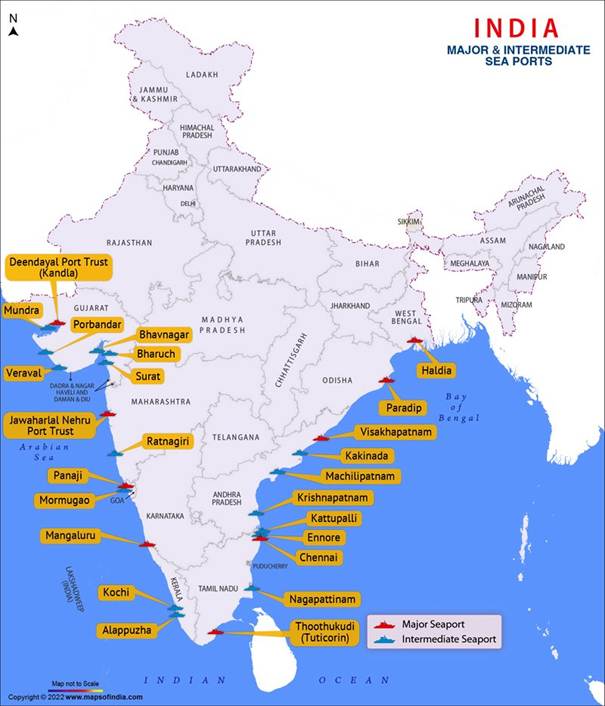
- Hosted at Paradip Port, Odisha — a major maritime hub on India’s east coast.
- Organised under the aegis of Major Ports Sports Control Board, reflecting institutional focus on employee welfare and cultural integration.
- Participants: 200+ participants from 9 major ports.
- Theme: Cultural unity, inter-port harmony, and talent beyond professional roles.
Relevance
- GS II (Governance): Humanising public administration; employee welfare and institutional cohesion.
- GS III (Infrastructure): Ports as socio-economic institutions; importance of soft infrastructure.
Participating Major Ports
- Chennai Port
- Cochin Port
- Deendayal Port (Kandla)
- Jawaharlal Nehru Port (JNPA)
- Kolkata Port
- Mumbai Port
- Visakhapatnam Port
- V.O. Chidambaranar Port
- Paradip Port (Host)
Institutional & Administrative Significance
- Highlights soft power within public sector institutions.
- Reinforces employee engagement and morale-building in strategic infrastructure sectors.
- Demonstrates federal cultural integration across ports located in diverse regions.
- Aligns with the broader governance approach of “humanising public administration”.
Notable Observations
- Emphasis on participation over competition reflects inclusive institutional ethos.
- Odisha’s selection underscores its classical Odissi heritage and cultural prominence.
- Marks continuity of inter-port cultural diplomacy over 25 editions.
Conclusion
- The event underscores that India’s port ecosystem integrates economic, social, and cultural dimensions, reinforcing unity among employees of strategically vital maritime institutions.
PANKHUDI – an Integrated Digital Portal to Strengthen Partnerships for Women and Child Development
Why in News ?
- Launched on 8 January 2026 by the Ministry of Women and Child Development.
- Introduction of PANKHUDI, an integrated digital portal for CSR and partnerships in women and child development.
- Aimed at strengthening transparency, convergence, and stakeholder participation using technology.
Relevance
- GS II (Governance & Social Justice): Women–child welfare; PPP/CSR in governance; Centre–State–civil society convergence.
- GS II (E-Governance): Digital transparency, single-window platforms, Jan Bhagidari.
What is PANKHUDI ?
- Full Form: Platform for Partnerships, Knowledge, and Holistic Development Initiatives (officially branded as PANKHUDI).
- Nature: Single-window digital partnership & CSR facilitation portal.
- Objective: Streamline voluntary, CSR, and institutional contributions for women and child welfare.
Key Features of the Portal
- Single-window digital interface for:
- Individuals and citizens
- NRIs
- NGOs
- Corporate entities
- CSR contributors
- Government agencies
- End-to-end workflow:
- Registration
- Identification of initiatives
- Proposal submission
- Approval tracking
- Non-cash contributions only → enhances financial transparency and auditability.
Thematic Focus Areas
- Nutrition
- Health
- Early Childhood Care and Education (ECCE)
- Child protection, welfare, and rehabilitation
- Women’s safety, empowerment, and livelihood support
Alignment with National Vision
- Inspired by PM’s emphasis on:
- Technology as a trust-building bridge
- Jan Bhagidari (people’s participation) in governance
- Reflects Digital India + Inclusive Governance approach.
Convergence with Flagship Missions
PANKHUDI digitally strengthens implementation of:
- Mission Saksham Anganwadi & Poshan 2.0
- Mission Vatsalya
- Mission Shakti
Governance & Accountability Dimensions
- Common platform for Centre–State–CSR–Civil Society convergence.
- Enables:
- Better monitoring
- Outcome-based implementation
- Traceability of funds and initiatives
- Reduces fragmentation in welfare delivery.
Scale of Impact
- 14 lakh+ Anganwadi Centres
- ~5,000 Child Care Institutions
- ~800 One Stop Centres (OSCs)
- 500+ Sakhi Niwas
- 400+ Shakti Sadan
- Directly impacts crores of women and children across India.
Bottom Line
- PANKHUDI institutionalises CSR–Government collaboration through a transparent digital framework.
- Marks a shift from fragmented welfare initiatives to outcome-oriented, partnership-driven social governance in women and child development.