
Published on Jan 12, 2026
Daily PIB Summaries
PIB Summaries 12 January 2026
Content
- Bhadrakali Temple Inscription & Somnath Legacy
- National Youth Day 2026
Bhadrakali Temple Inscription & Somnath Legacy
Why in News?
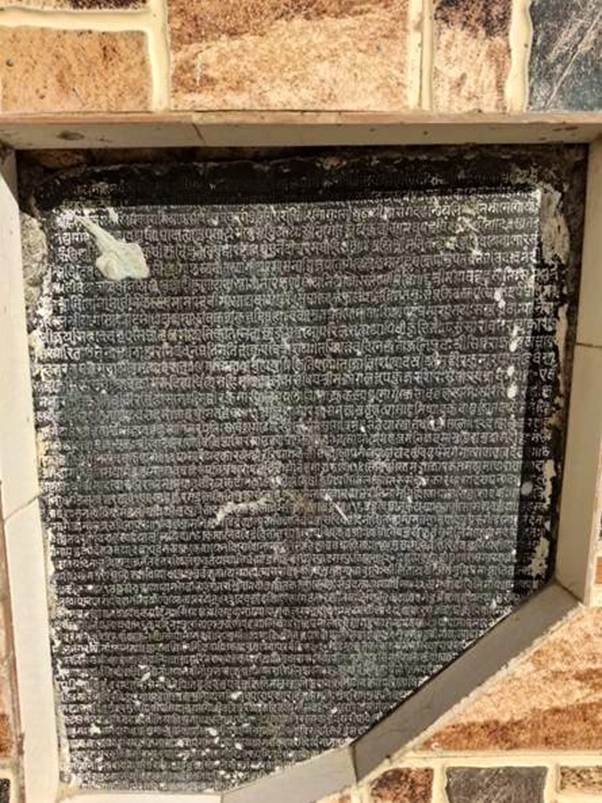
- PIB highlighted a 12th-century Bhadrakali Temple inscription at Prabhas Patan.
- The inscription chronicles Somnath Temple’s reconstruction history, especially Solanki ruler Kumarapala’s role (1169 CE).
- Reinforces archaeological, epigraphic, and cultural continuity of Somnath amid repeated destruction and revival.
Relevance
- GS I (Art & Culture / History):
- Temple architecture, epigraphy, Solanki dynasty.
- GS I (Indian Heritage & Culture):
- Sacred geography, continuity of religious traditions.
- GS II (Culture & Governance):
- Role of state patronage in heritage conservation.
Chronology & Dating
- Inscription date:
- 1169 CE
- Valabhi Samvat 850
- Vikram Samvat 1255
- Period:
- Solanki (Chaulukya) dynasty, Gujarat’s medieval golden phase.
Nature of the Inscription
- Eulogistic epigraph.
- Dedicated to:
- Param Pashupata Acharya Shriman Bhavabrihaspati.
- Spiritual preceptor of Maharajadhiraj Kumarapala (Anhilwad Patan).
- Language & tradition:
- Reflects Shaiva–Pashupata lineage.
- Combines mythology + historical memory (typical of medieval inscriptions).
Somnath Temple Reconstruction Narrative
- Satya Yuga: Built by Chandra (Soma) in gold.
- Treta Yuga: Built by Ravana in silver.
- Dvapara Yuga: Built by Shri Krishna in wood.
- Kali Yuga:
- Bhimdev Solanki: Artistic stone temple (4th temple).
- Kumarapala (1169 CE): 5th reconstruction on same sacred site.
Demonstrates how epigraphy blends sacred cosmology with verifiable medieval history.
Role of Solanki Rulers
- Bhimdev Solanki:
- Constructed major stone phase of Somnath.
- Siddharaj Jaysinh:
- Known for justice, administrative consolidation.
- Kumarapala:
- Patron of temple revival after destruction.
- Symbol of state-backed religious reconstruction.
- Result:
- Prabhas Patan emerged as a hub of religion, architecture, literature.
Archaeological & Architectural Significance
- Confirms:
- Continuity of sacred geography despite invasions.
- Use of Solanki-era architectural idioms.
- Reinforces Somnath as:
- A palimpsest site—layers of destruction and reconstruction.
- Museum preservation:
- Converts ruins into historical testimony, not mere relics.
Cultural & Civilisational Dimensions
- Represents:
- Sanatan Dharma’s resilience.
- Valor, devotion, and cultural self-respect.
- Inscriptions as:
- Primary sources validating India’s temple-revival traditions.
- Symbolism:
- Somnath as a civilisational constant, not a static monument.
Takeaway
- The Bhadrakali inscription at Prabhas Patan is a crucial epigraphic source linking mythology, Solanki-era statecraft, and the enduring civilisational resilience of the Somnath Temple.
National Youth Day 2026
Why in News?
- National Youth Day observed on 12 January 2026, commemorating Swami Vivekananda’s birth anniversary.
- PIB outlines India’s youth empowerment architecture aligned with Viksit Bharat @2047.
- Highlights scale, outcomes, and convergence across youth engagement, skilling, employment, entrepreneurship, health, and civic participation.
Relevance
- GS II (Governance & Social Justice):
- Youth policy, skilling, employment, health.
- GS III (Economy):
- Human capital, labour markets, entrepreneurship.
Demographic Context
- Over 65% of India’s population below 35 years.
- Youth as:
- Demographic dividend
- Key drivers of economic growth, social cohesion, and governance renewal.
- Policy focus: Youth as partners, not mere beneficiaries.
Institutional Framework
- Nodal Ministry: Ministry of Youth Affairs & Sports (MYAS).
- Whole-of-government approach:
- MYAS, MSDE, MeitY, MoHFW, DPIIT, MoRD, Defence.
- Emphasis on digital platforms, decentralised participation, outcome-based skilling.
Youth Engagement, Leadership & Civic Participation
Mera Yuva Bharat (MY Bharat)
- Autonomous body under MYAS; launched 31 Oct 2023.
- Technology-driven national youth platform.
- Core functions:
- Volunteering
- Experiential learning
- Leadership development
- Skill discovery
- Scale (as of 26 Nov 2025):
- 2.05 crore youth registered
- 14.5 lakh volunteering opportunities
- 16,000+ youth clubs
- 60,000+ institutional partners
- Governance logic:
- “Yuva Shakti se Jan Bhagidari”
- Youth as co-creators of development.
MY Bharat Mobile App
- Mobile-first governance.
- Features:
- Multilingual interface
- AI chatbots, voice navigation
- Smart CV Builder
- Digital certificates & badges
- At launch:
- 1.81 crore youth
- 1.20 lakh organisations onboarded.
MY Bharat 2.0
- MoU (30 June 2025): MYAS + Digital India Corporation.
- Objectives:
- Deeper digital engagement
- Career services, mentorship, Fit India integration.
- Strategic intent:
- Empower Amrit Peedhi
- Align youth governance with Digital Public Infrastructure (DPI).
National Service & Social Capital
National Service Scheme (NSS)
- Launched 1969.
- Coverage:
- 657 universities
- 20,669 colleges
- 11,988 schools
- Annual engagement:
- ~39 lakh volunteers
- Focus:
- Community service
- National integration
- Personality development.
- Key instruments:
- National Integration Camps
- Republic Day Parade Camp
- National Youth Festivals.
Viksit Bharat Young Leaders’ Dialogue (VBYLD)
- Reimagined National Youth Festival.
- 2nd edition: 9–12 Jan 2026, Bharat Mandapam.
- Participation:
- ~3,000 youth
- 100 international delegates.
- Process innovation:
- Four-stage Challenge Track
- 50.42 lakh youth participated in digital quiz.
- Outcome:
- Youth policy ideas presented to national leadership.
Youth & National Security
Agnipath Scheme
- Launched 15 June 2022.
- Youth aged 17.5–21 recruited as Agniveers for 4 years.
- Outcomes:
- 46,000 trained in first batch (2023)
- ~1.5 lakh enrolled till Feb 2025
- Governance logic:
- Youthful armed forces
- Skills + discipline + post-service employability.
Education-to-Employment Pipeline
PM-SETU
- Investment: ₹60,000 crore.
- Objective:
- Modernise 1,000 Government ITIs.
- Model:
- 200 hub ITIs + 800 spoke ITIs
- “Government-owned, industry-managed”.
- Linked initiatives:
- 1,200 vocational labs in JNVs & EMRS.
- Alignment:
- NEP 2020
- Aspirational districts
- Tribal & remote inclusion.
Skill India Ecosystem
Skill India Mission (SIM)
- Launched 15 July 2015.
- Beneficiaries since 2014: 6+ crore.
- Restructured programme (2022–26):
- Outlay: ₹8,800 crore
- Merged PMKVY 4.0, NAPS, JSS.
Pradhan Mantri Kaushal Vikas Yojana (PMKVY)
- Total enrolment (till 31 Oct 2025): 1.76 crore.
- Trained: 1.64 crore.
- Evolution:
- PMKVY 1.0 → PMKVY 4.0.
- Shift to On-the-Job Training (OJT).
- Inclusivity:
- 45% women
- Strong SC/ST/OBC participation.
- Future-ready skills:
- AI, drones, robotics, IoT.
Jan Shikshan Sansthan (JSS)
- Non-formal, doorstep skilling.
- Beneficiaries (2018–2025): 32.5 lakh.
- 82% women beneficiaries.
- Focus:
- Non-literates
- School dropouts
- Marginalised communities.
National Apprenticeship Promotion Scheme (NAPS)
- Since 2016:
- 49.12 lakh apprentices engaged.
- NAPS-2 (2025–26):
- Target: 13 lakh apprentices.
- Instrument for industry-integrated skilling.
Rural Youth & Livelihoods
DDU-GKY
- Rural youth placement-focused scheme.
- Placement rate: ~65%.
- Trained: 16.9 lakh
- Placed: 10.97 lakh.
RSETIs
- Bank-led entrepreneurship model.
- Trained (till June 2025): 5.67 crore candidates.
- Emphasis:
- Credit linkage
- Self-employment.
Entrepreneurship & Employment
Pradhan Mantri Viksit Bharat Rozgar Yojana
- Announced 15 Aug 2025.
- Outlay: ₹1 lakh crore.
- Target:
- 3.5 crore jobs in 2 years.
- Dual incentive:
- Youth wage support
- Employer contribution subsidy.
Startup India
- Launched 16 Jan 2016.
- Recognised startups (Oct 2025): 1.97 lakh.
- Key pillars:
- Ease of doing business
- Tax incentives
- Fund of Funds (₹10,000 crore).
- Structural shift:
- Rise of Tier-II & Tier-III startups.
Startup India Seed Fund Scheme (SISFS)
- Early-stage risk capital.
- Approved:
- 219 incubators
- ₹945 crore.
Pradhan Mantri MUDRA Yojana
- 10 years completed (2025).
- Loans sanctioned:
- 53.85 crore
- ₹35.13 lakh crore.
- Focus:
- Women
- First-generation entrepreneurs.
Health, Fitness & Well-being
Fit India Movement
- Launched 29 Aug 2019.
- Behavioural change approach.
- Instruments:
- Fit India School Certification
- Sundays on Cycle
- Fitness Pledge
- Fit India App.
Youth Spiritual Summit & Kashi Declaration
- Held July 2025, Varanasi.
- Theme:
- “Nasha Mukt Yuva for Viksit Bharat”.
- Kashi Declaration:
- 5-year roadmap
- Youth-led, stakeholder-defined roles.
- Integrates:
- Spiritual capital + public health governance.
Rashtriya Kishor Swasthya Karyakram (RKSK)
- Launched 2014.
- Target group: 10–19 years.
- Six domains:
- Nutrition
- Mental health
- SRH
- Substance misuse
- Violence & injuries
- NCDs.
- Shift from curative to preventive-adolescent-centric model.
Takeaway
- National Youth Day 2026 underscores India’s shift from welfare-centric youth policy to a participation-driven, skill-linked, and purpose-oriented youth governance model aligned with Viksit Bharat @2047.